If June spending always sneaks up on you, you’re not imagining it. Summer travel, Prime Day, and Father’s Day can stack up fast, which makes the right cash back card matter more than usual.
| Card Type | Annual Fee | Rewards Rate | Best Use | Key Perk |
|---|---|---|---|---|
| Flat 2% Cash Back | $0 | 2% flat | Everyday June spending | Simple value |
| Rotating 5% Category | $0 | Up to 5% | Prime Day and seasonal categories | High promo upside |
| Travel Cash Back | $95 | 1.5%-3% | Flights and hotels | Trip delay coverage |
| Gas and Grocery Bonus | $0-$95 | 3%-6% | Road trips and food spending | Summer family savings |
| Online Retail Bonus | $0-$95 | 3%-5% | Father’s Day and tech buys | Purchase protection |
01 The June card pick isn’t about the biggest number
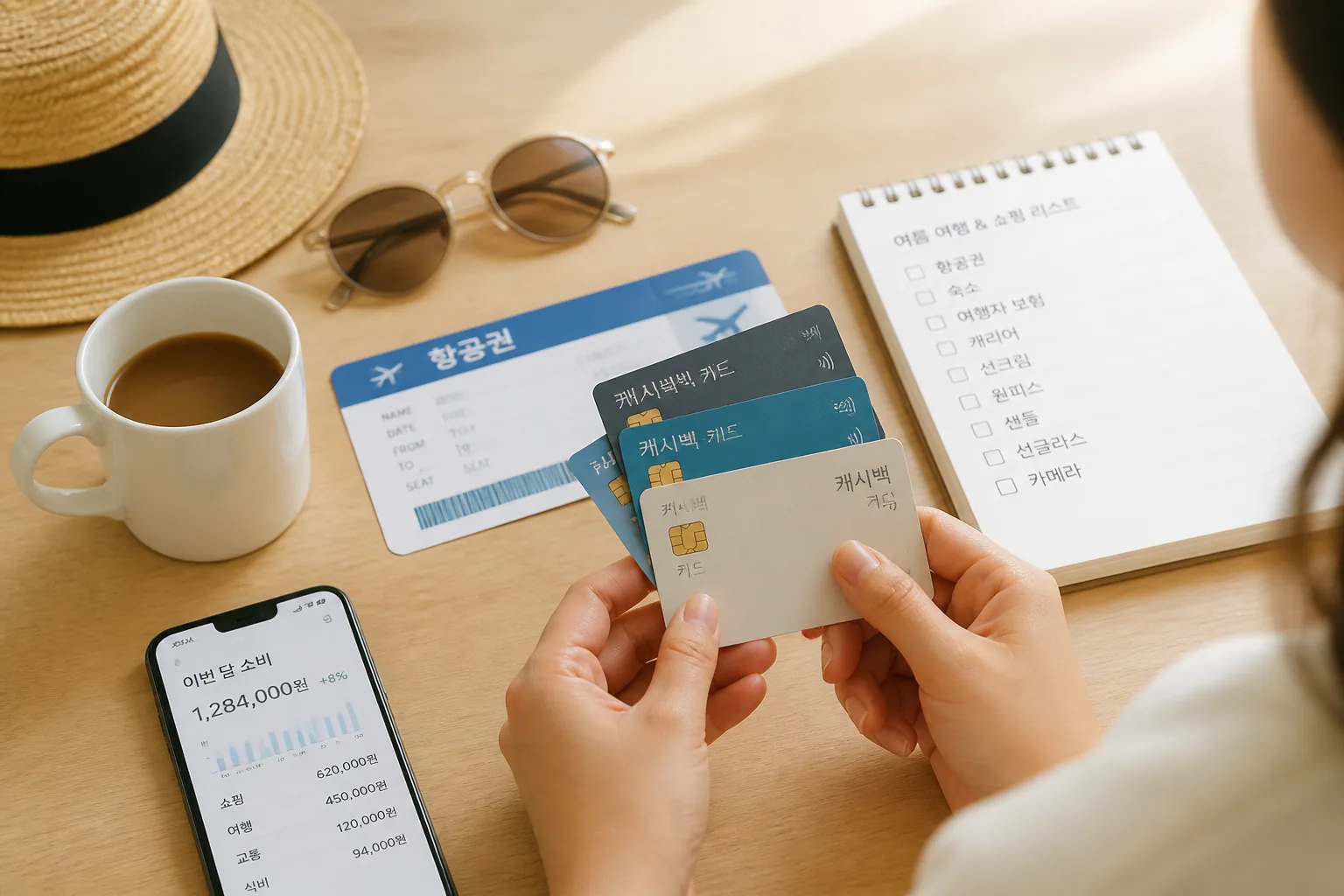
Ever buy a $600 flight, a $220 Father’s Day gift, and a Prime Day gadget haul in the same month? That’s where a “great” cash back card can quietly turn mediocre.
June 2026 calls for a card that fits three jobs at once: summer travel, big online shopping days, and everyday budget control. I’ve seen people chase a flashy 5% category, then lose more money on baggage delays, purchase gaps, or a missed annual fee break-even. That stings.
The smarter move is matching the card to the spend. A flat-rate 2% card works for simple households. A rotating-category card can win during Amazon-heavy months. A travel-friendly cash back card earns its keep when trip delay or rental coverage saves $150 to $500 in one bad weekend.
Read more about credit card comparison strategies
The best cash back card is the one that still looks good after one canceled flight and one impulsive sale day.
Quick recap:
- Flat-rate cards: easiest to manage
- Category cards: best for planned spending
- Travel perks: valuable when summer plans get messy
Next, let’s sort the actual card types worth your attention.
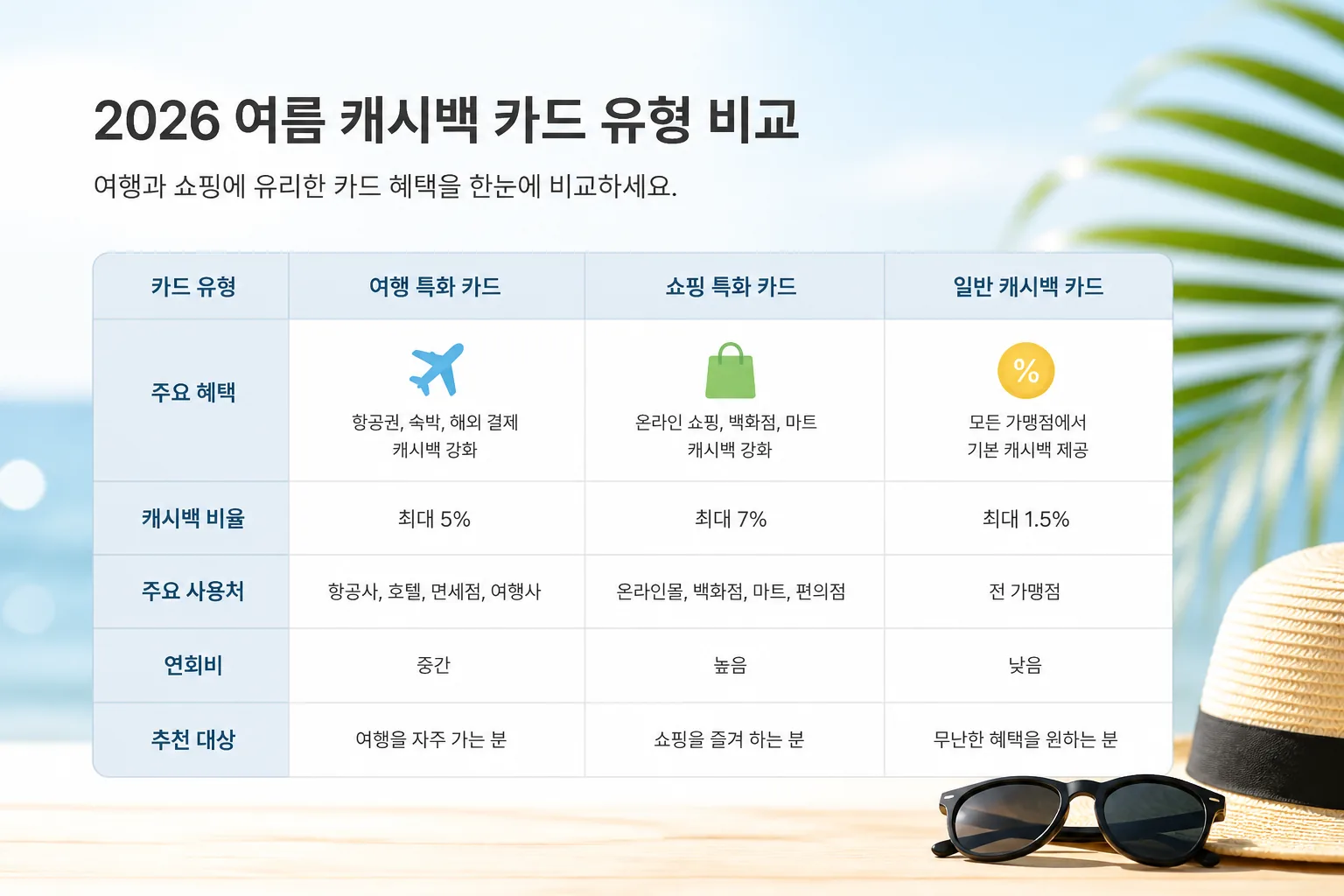
02 5 card styles that actually make sense this summer
1. Flat 2% cash back cards
Best for families spending across gas, groceries, gifts, and airfare. No mental math. No calendar reminders. Just clean value.
2. Rotating 5% category cards
These can shine around Prime Day if Amazon, wholesale clubs, or digital wallets land in the quarter. The catch? Caps often stop at $1,500 per quarter.
3. Travel cash back cards with insurance
This is the sleeper pick. Trip delay, lost luggage, and rental collision coverage can beat an extra 1% reward rate fast.
4. Grocery and gas bonus cards
Road-trip households can pull ahead here, especially with June-to-August fuel costs and supermarket runs before vacation.
5. Online retail bonus cards
Great for Prime Day prep, tech deals, and Father’s Day shopping. But watch merchant exclusions. A “retail” bonus doesn’t always mean every marketplace qualifies.
The next piece matters even more: where travel insurance changes the math.
03 What nobody tells you about travel insurance perks
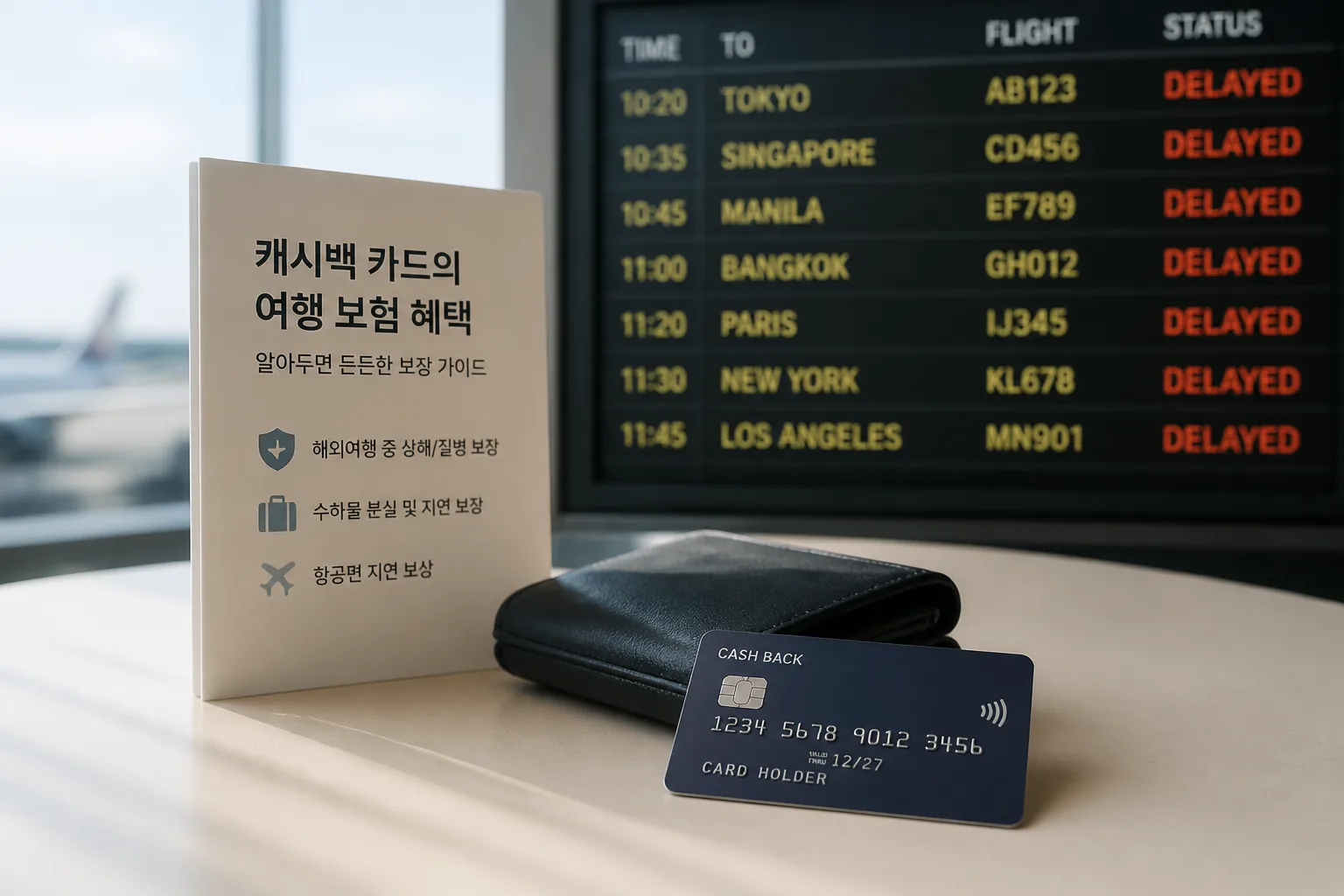
A friend of mine booked a 3-day Chicago trip last July. Thunderstorms hit, the outbound flight slipped by 8 hours, and dinner plus a last-minute hotel cost $187. Her rewards from that booking were maybe $18. The insurance benefit was the real hero.
That’s why summer travelers should look past raw cash back percentages. Good card protections may include:
- Trip delay reimbursement
- Baggage delay coverage
- Lost luggage protection
- Rental car collision damage waiver
- Purchase protection for new electronics
Father’s Day and Prime Day fit here too, weirdly enough. Buy a $349 smartwatch or a $499 grill with a card that adds purchase protection, and one cracked screen or stolen package changes the whole equation. Honestly, this surprised me when I first compared benefit guides side by side.
If your spending depends on dividend income, there’s one more layer to get right.
04 Cash back works better when your budget has a paycheck
Here’s the practical angle behind the 한국투자증권 배당 mention: some readers are funding seasonal spending with dividend cash flow, not just salary. That changes the card strategy.
If dividend income lands monthly or quarterly, set a hard spending lane for June and July. Example: $400 for Father’s Day gifts, $1,200 for travel, $600 for Prime Day and household buys. Then pick the card that matches each bucket instead of swiping one card for everything. That’s cleaner budgeting.
I like a two-card setup for this: one flat-rate card for baseline purchases, one category or travel-perk card for flights, hotels, or promo shopping.
See our guide on dividend investing basics
Related: monthly budget planning for irregular income
Rewards work best as a side benefit, not an excuse to overspend.

So what should you do today, before June spending gets away from you?
05 My short list before you apply for anything
Start with the spending, not the card ad. That’s the whole game.
- Check your next 60 days of purchases: flights, hotels, gifts, Amazon, gas.
- Compare one no-fee 2% card against one category or travel-perk option.
- Read the benefit guide for trip delay, baggage, and purchase coverage.
If your summer is simple, a flat-rate card probably wins. If you’ve got flights booked and Prime Day circled, a cash back card with solid protections may save more than a headline reward rate ever will.
Oh, and one more thing: don’t let dividend income from 한국투자증권 or any broker make you feel richer than the budget says. Use the cash flow plan first, rewards second. Period.

That’s the card strategy that holds up after checkout, after boarding, and after the statement closes.