If you want a Father’s Day gift that won’t collect dust, start here. These under-$100 smart home picks can help with summer security too.
| Category | Typical Price | Main Coverage | Hidden Cost | Best For |
|---|---|---|---|---|
| Smart plug | $10-$25 | Lighting and energy control | Usually none | Vacation presence |
| Indoor camera | $25-$80 | Live home monitoring | Cloud storage plan | Entry checks and pets |
| Video doorbell | $60-$99 | Porch and package alerts | Clip storage plan | Front-door security |
| Leak sensor | $20-$50 | Water damage prevention | Hub on some models | Kitchen or basement |
| Smart speaker | $30-$99 | Voice control and routines | Usually none | Father’s Day gifting |
01 The cheap smart-home buy that ends up costing more
Ever buy a $39 gadget and realize 2 weeks later the real price was the monthly subscription? That’s where Father’s Day shopping and Prime Day deal-chasing go sideways fast.
Here’s the short version: the best smart home devices under $100 aren’t always the cheapest ones. They’re the picks that solve one clear problem—front-door visibility, leak alerts, voice control, or vacation check-ins—without dragging you into $10-a-month fees. I’ve tested enough budget gear to know the pattern: a solid $29 smart plug can save more hassle than a flashy $89 camera with mediocre night vision.
If you’re buying for Dad, or locking down the house before a 7-day July trip, think like an insurance shopper. What are you paying, what risk gets reduced, and what hidden costs show up by month 6? That lens changes everything.
Read more about smart home setup mistakes to avoid
TL;DR:
- A $25 smart plug often beats a weak $79 camera.
- Skip devices with core features locked behind subscriptions.
- Door sensors and leak detectors deliver the best low-cost protection.
- Prime Day deals matter less than 12-month ownership cost.
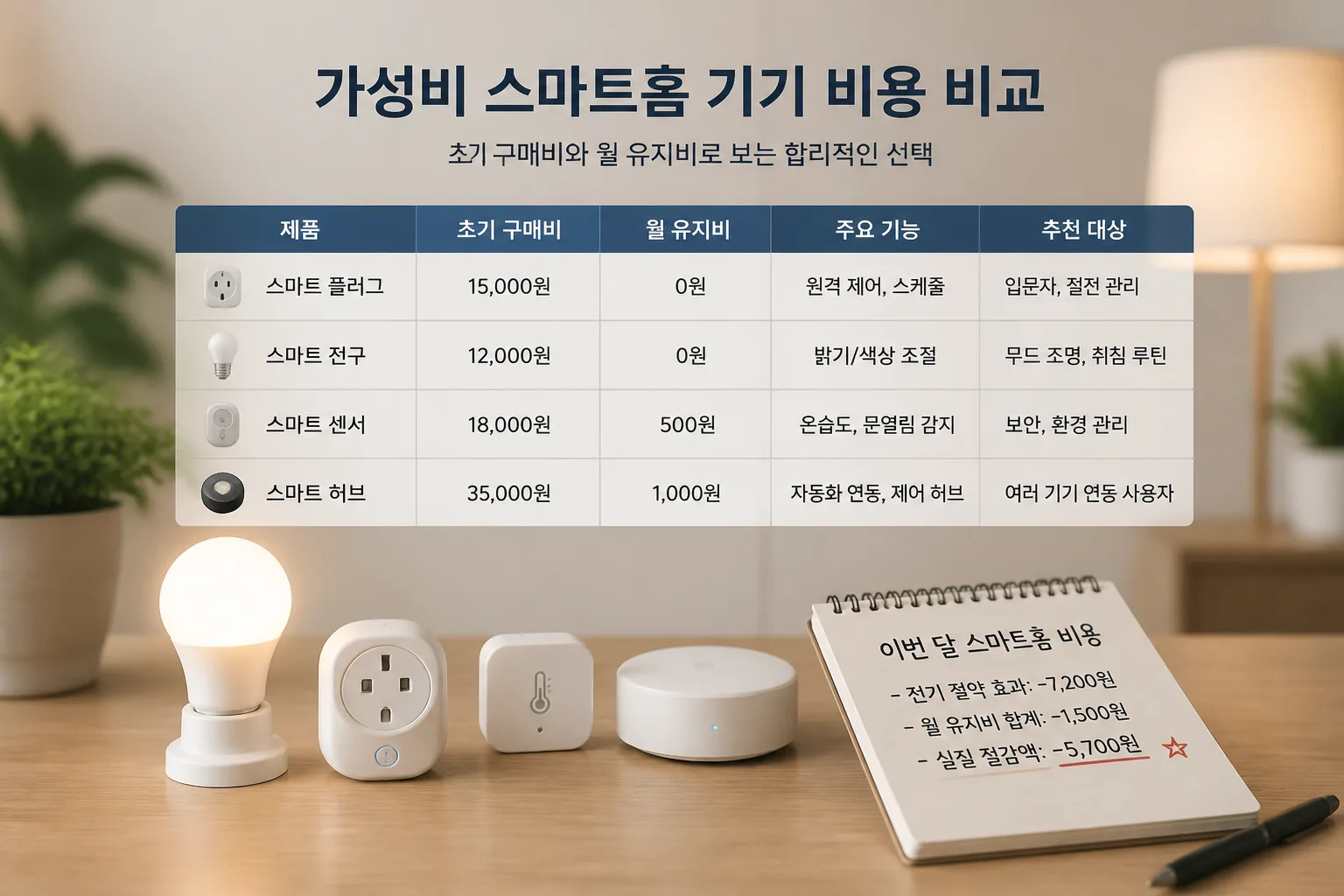
The smartest budget buy isn’t the lowest sticker price. It’s the lowest regret price.
Next up, the seven categories that actually earn their spot.
02 7 picks under $100 that actually pay off
Think in categories first, brands second. That’s the trick.
- Smart plugs — usually $10 to $25. Great for lamps, coffee makers, and that “someone’s home” look during vacation.
- Video doorbells on sale — often $60 to $99. Best for package checks and front-door alerts.
- Indoor security cameras — $25 to $80. Good for pets, entry points, and quick live views.
- Water leak sensors — $20 to $50. Boring? Yes. Cost-saving? Absolutely.
- Contact sensors — $15 to $40. Perfect for back doors, windows, and garages.
- Smart speakers — $30 to $99. Strong Father’s Day gift, especially for routines and reminders.
- Smart bulbs — $12 to $40. Nice add-on, not your first security purchase.
A friend of mine in Phoenix left for a 5-day beach trip last summer and worried most about break-ins. The real issue turned out to be a slow leak under the sink. A $30 leak detector would have beaten the $90 decorative lighting kit by a mile. That’s the value gap right there.
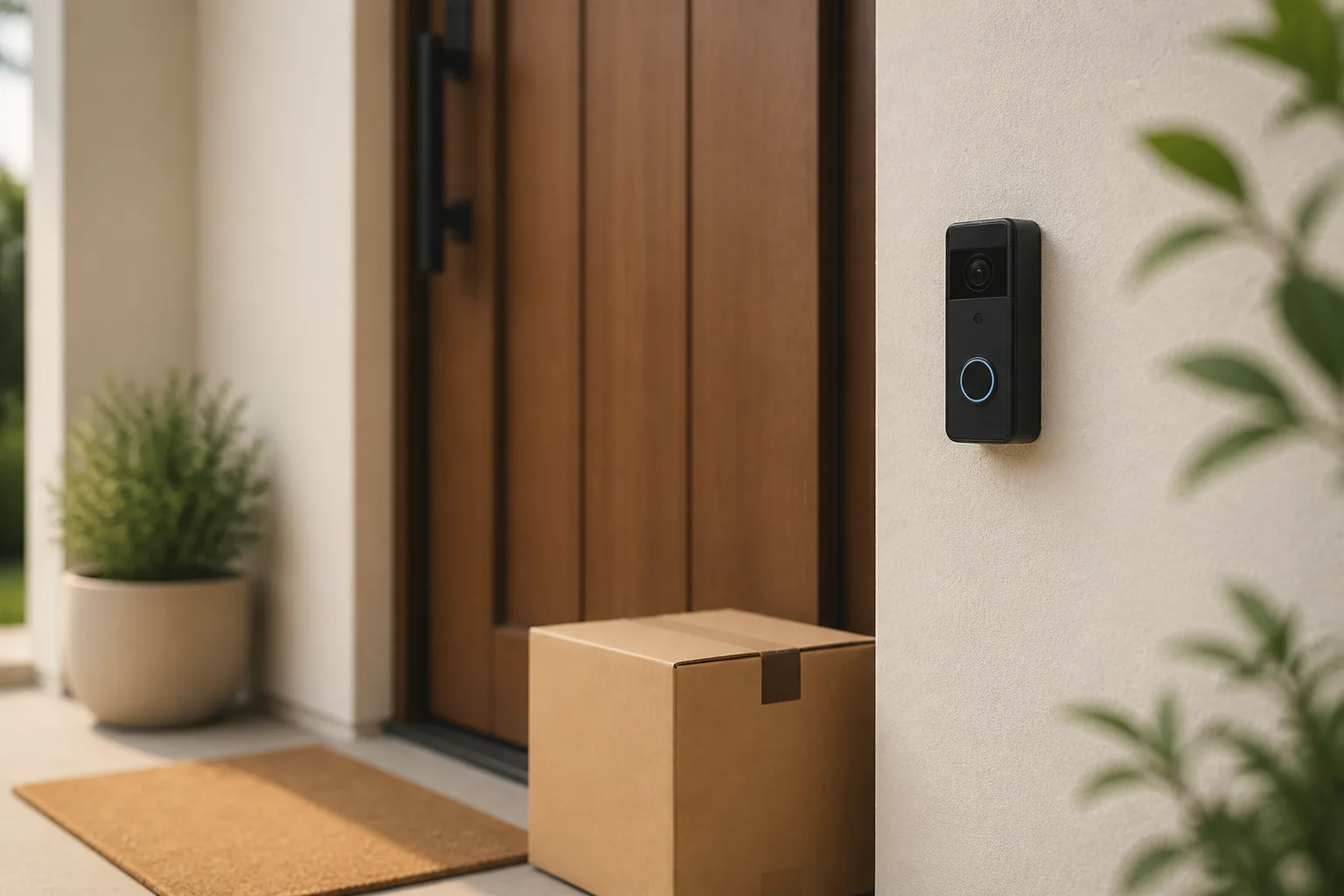
The real question is which of these gives you the best protection per dollar.
03 Use the insurance-style test before you buy
Here’s the filter I’d use over coffee with any friend shopping under a hard $100 cap: frequency, severity, and recovery.
- Frequency: How often will this help? Smart plugs and speakers win here.
- Severity: What problem gets prevented? Leak and contact sensors punch above their price.
- Recovery: If something goes wrong, do you get useful evidence? Cameras and doorbells matter here.
That’s why the best “보험-style” value buy usually isn’t the coolest gadget. It’s the one that cuts a costly headache early. Put simply, a $24 leak sensor covers a low-frequency but high-damage event. A $19 smart bulb mostly covers convenience. Different league.
Budget shoppers should think like dividend investors too—small, steady returns. That’s the “배당” angle. A smart plug saving even $4 a month in wasted lamp or fan runtime pays back over one season. Not thrilling, but real.
See our guide on lowering home energy costs with smart devices
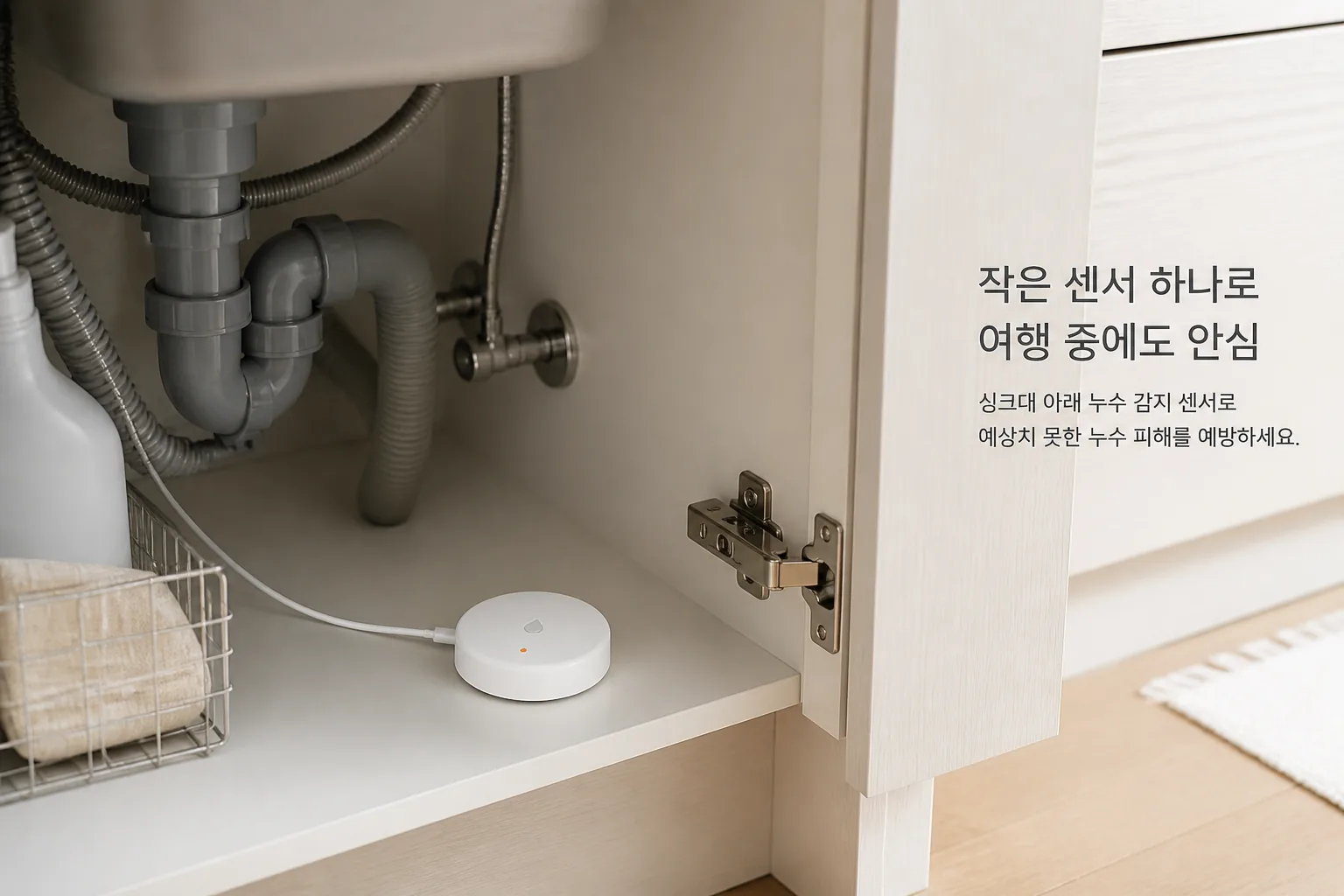
Good budget tech works like a solid policy: low drama, clear payoff, fast response.
Quick recap: buy one device for visibility, one for prevention, and one for convenience. The last piece is knowing where each category fits best.
04 Best fits for Father’s Day, Prime Day, and summer travel
For Father’s Day 2026, I’d lean toward a smart speaker, smart plug bundle, or video doorbell on discount. Those feel like gifts, not chores. Dads who like routines love saying “turn off the garage lamp at 11 p.m.” once and never thinking about it again.
For Prime Day prep, make a list before the sale starts. Honestly, this sounds obvious, but it saves money every July. If a doorbell drops from $99 to $59, great. If a random LED strip falls from $49 to $19 and solves nothing, pass.
For summer vacation security, the strongest under-$100 trio is simple:
- 1 indoor camera facing the main entry
- 1 leak sensor under a sink or near the water heater
- 2 smart plugs for lamps
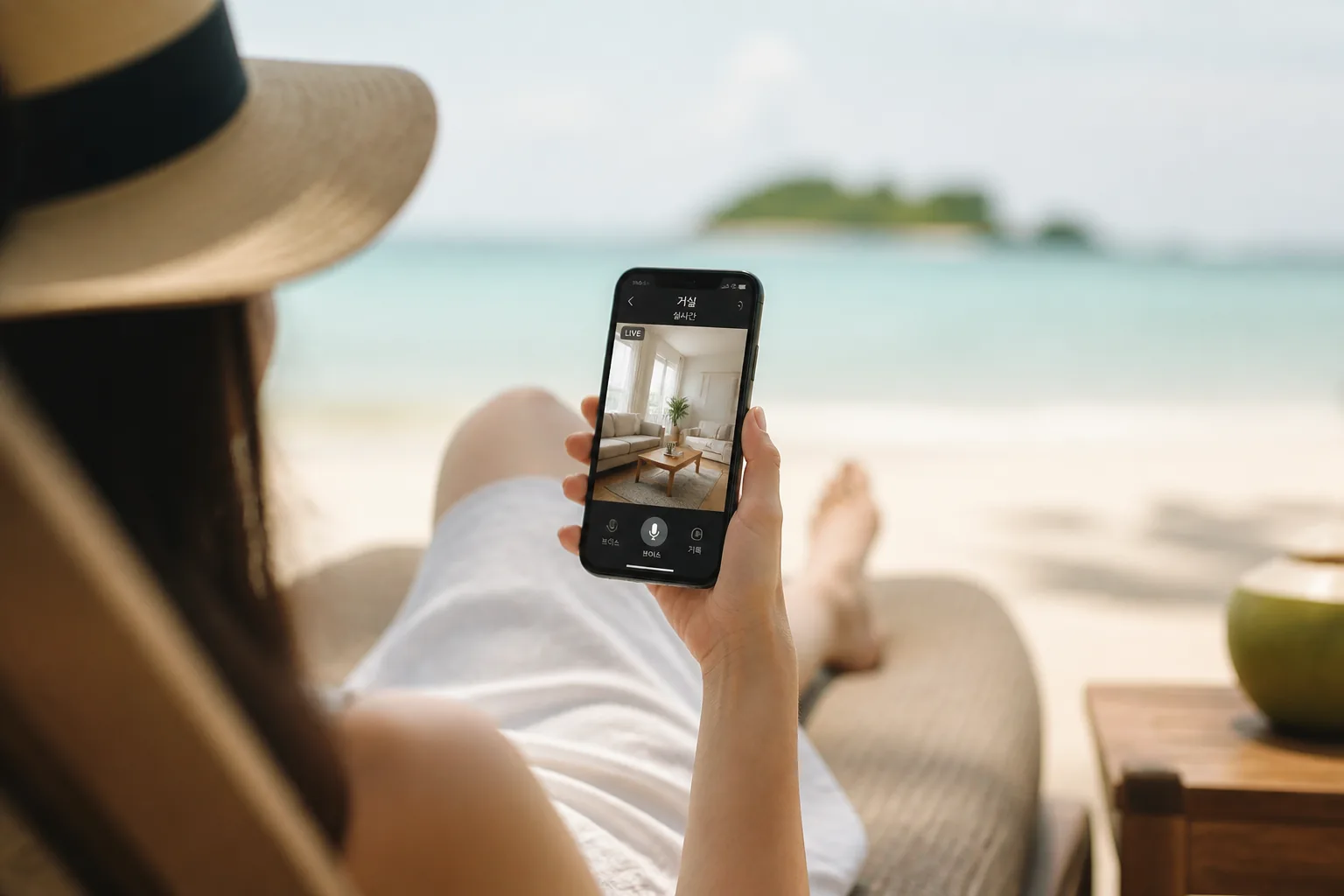
Related: a pre-trip home security checklist for summer travel
And before you hit checkout, compare the numbers side by side.
05 Comparison table and the 3 moves to make today
| Category | Typical price | Best use | Hidden cost | Value call |
|---|---|---|---|---|
| Smart plug | $10-$25 | Lights, fans, routines | Rarely any | Excellent |
| Indoor camera | $25-$80 | Live check-ins, pets, entries | Cloud plan | Good if fee-free |
| Video doorbell | $60-$99 | Porch, packages, visitors | Storage plan | Good on sale |
| Leak sensor | $20-$50 | Sink, basement, laundry | Hub on some models | Excellent |
| Smart speaker | $30-$99 | Voice control, reminders | None usually | Very good |
Three moves. Do them today.
- Set a hard total budget—device plus 12 months of fees.
- Pick one risk first—break-in, leak, or energy waste.
- Wait for a real sale, not fake urgency—CamelCamelCamel-style price tracking helps.
If I had $100 flat? I’d split it between a leak sensor, two smart plugs, and one indoor cam on sale. That mix covers prevention, presence, and proof. Clean, practical, done.
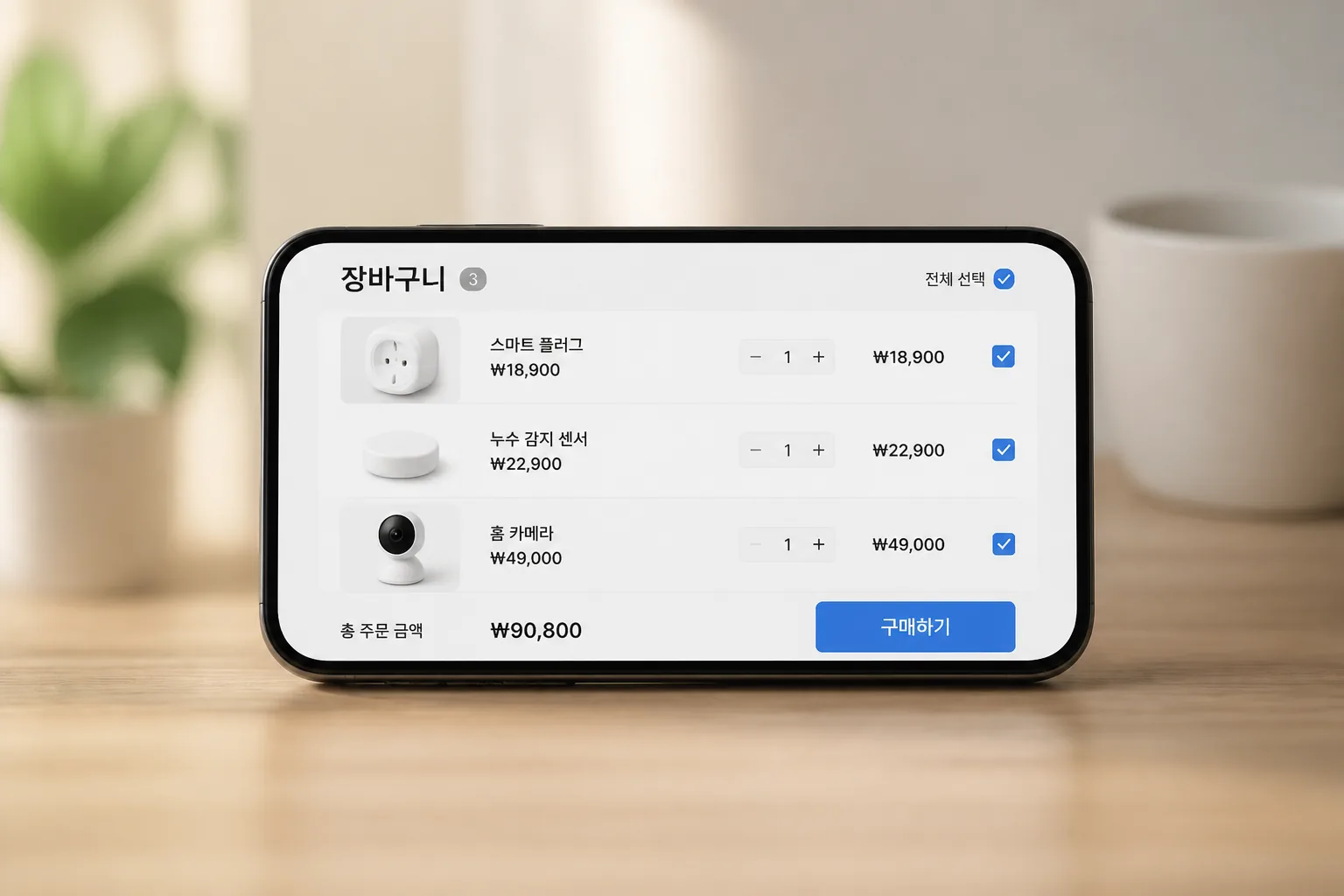
Cheap tech is easy to buy. Useful tech is harder. Aim for useful.
That’s the whole game: less hype, better coverage, fewer regrets.