If you’re setting up your first place before summer, the wrong upgrades can drain your budget fast. A few smart choices now can cut energy costs and still keep your home future-friendly.
01 Memorial Day is the cheap window most people miss
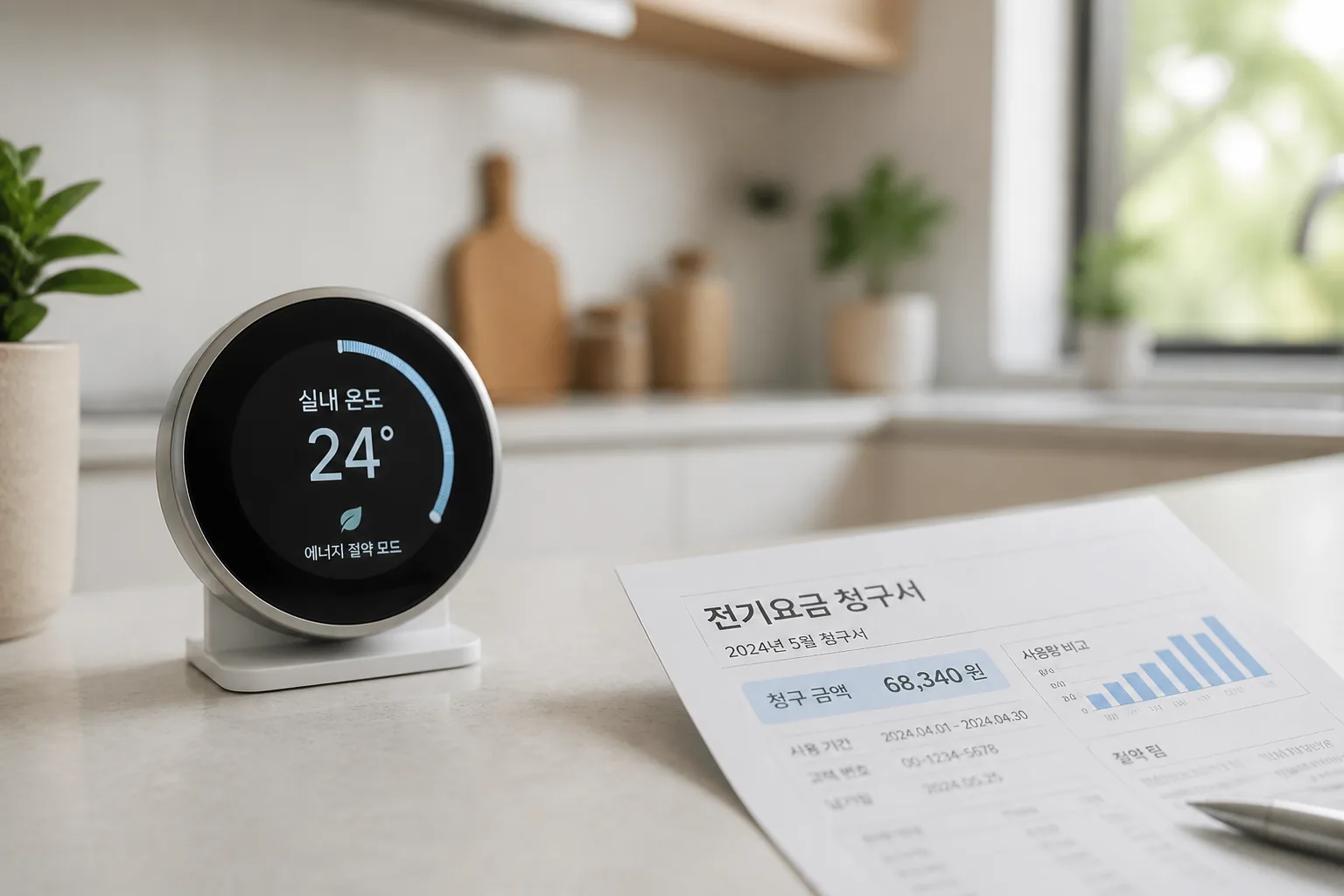
Ever open the first June power bill and wonder who left the air conditioner fighting the sun for 12 straight hours? That bill shock is exactly why Memorial Day weekend is the smart-home sweet spot: sales hit, installers still have openings, and summer heat has not fully landed yet.
If you’re a new grad, renter-leaning buyer, or first-time owner thinking about 부동산-friendly upgrades, start with moves that save money without making the place weird to live in. I’ve watched friends spend $8,000 on flashy gear and ignore the $80 fix that cut a bedroom from 81°F to 75°F by 4 p.m. That’s backward, honestly.
see our guide on building a first-home upgrade budget
What matters first is cooling load, daily comfort, and resale-friendly choices.
The best upgrade is usually the one you’ll actually use every day in July.
Next, let’s sort the upgrades that earn their keep from the ones that just look good in a listing photo.
02 Start with the 3 upgrades that pay you back fastest
For most homes under 2,000 square feet, the quickest wins are smart thermostats, automated shades, and smart plugs. ENERGY STAR has long pointed to programmable thermostat savings in the neighborhood of 8% a year on heating and cooling when used properly, and the keyword there is properly. A $250 thermostat that gets ignored saves nothing. Period.
Automated shades are less flashy but wildly practical on west-facing windows. A friend in Phoenix tested blackout cellular shades in May 2025 and said the upstairs office felt better by noon on day one. No app obsession, no learning curve. Smart plugs come in even cheaper, often $15 to $30 each during holiday sales, and they kill the quiet drain from window AC units, gaming setups, and old coffee makers.
Quick recap:
- Smart thermostat: best for owners who keep a routine
- Automated shades: best for hot rooms with direct afternoon sun
- Smart plugs: best for grads on a tight budget

The expensive question, of course, is whether backup power belongs on your list this year.
03 Solar battery backup sounds amazing — but not every home needs it
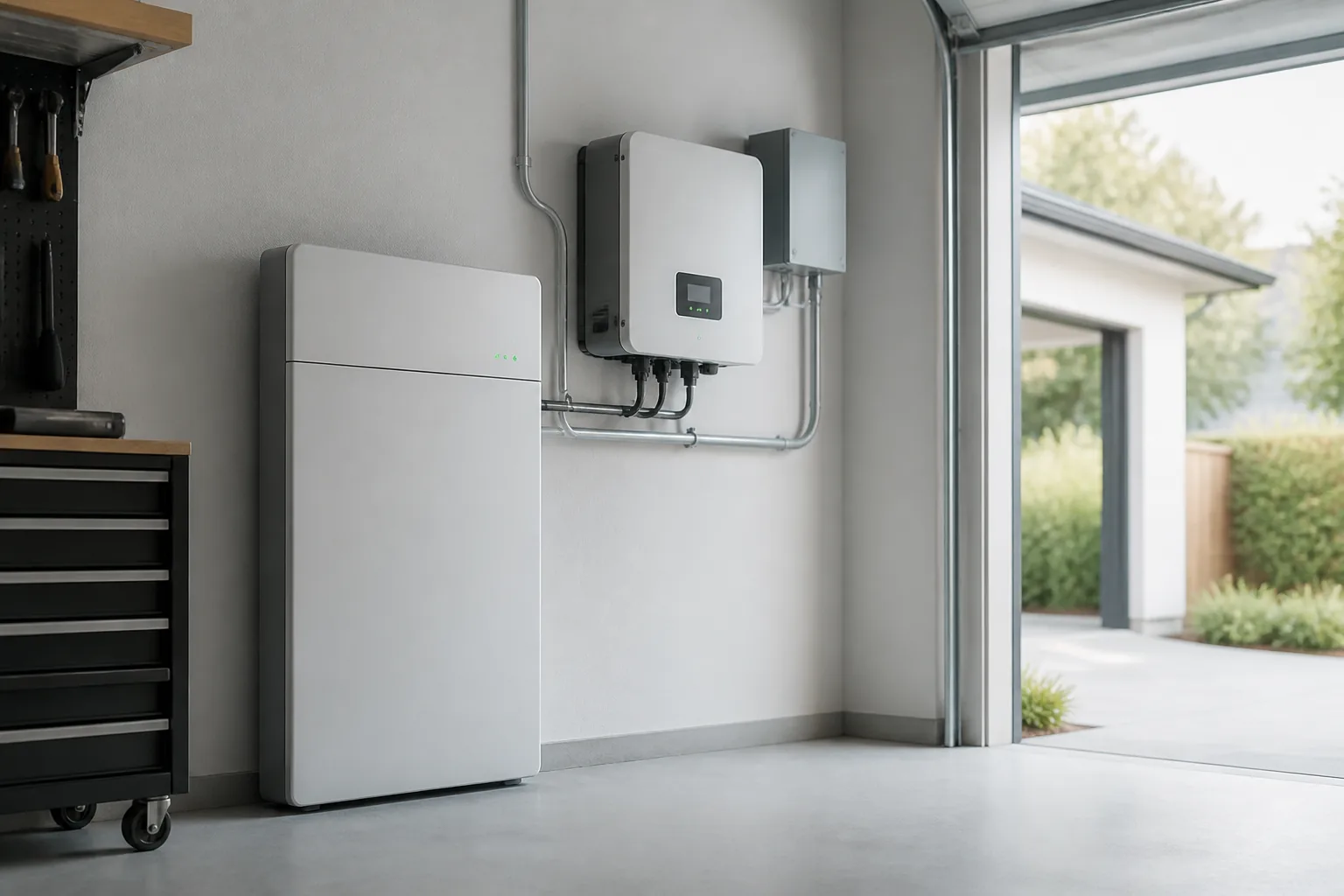
Here’s where people overspend. Solar plus battery backup is about resilience first, savings second for a lot of households in 2026. If you live in Texas, Florida, or wildfire-prone parts of California, outage protection can justify the cost fast. If you’re in a stable grid area and moving again in 18 months, the math gets shakier.
Battery systems often run into the thousands before incentives, and whole-home backup costs far more than a few targeted loads. Think fridge, Wi-Fi, lights, and one mini-split, not every outlet in the house. That distinction matters. A smaller critical-load setup can be the sane middle ground for first-time buyers who want protection without turning the garage into a science project.
Backup power feels priceless during a blackout. On a calm Tuesday, buyers still compare monthly payments.
So if the big-ticket gear is optional, what actually helps your home value without boxing in your future?
04 The 부동산-friendly rule: choose upgrades the next buyer understands in 10 seconds
The safest real-estate-friendly upgrades are boring. That’s the truth. Sealed air leaks, better weatherstripping, LED lighting, a smart thermostat, and clean window treatments all make sense to the next owner without a long explanation. Fancy ecosystems tied to one brand? Risky.
When I’ve seen young owners get this right, they usually follow one filter: can this be removed in an afternoon, or left behind without confusing the buyer? That’s why adhesive sensors, smart plugs, leak detectors, and app-based thermostats beat custom wall tablets for most new grads.
read more about smart upgrades that help resale
A neat, efficient home photographs better and shows better. That matters in 부동산 more than people admit.

One last thing: the best Memorial Day plan is not a shopping spree. It’s a shortlist.
05 What to buy this weekend — and what to skip
Buy now: one smart thermostat, two or three smart plugs, shades for the hottest room, and basic sealing supplies. That setup can stay under $400 to $700, depending on the brand, and it tackles comfort first.
Wait on: whole-home batteries, premium solar bundles, and hardwired automation hubs unless you’ve got outage risk, long-term ownership plans, or utility-rate data that supports the spend.
see our guide on home energy credits and rebates
Honestly, that restraint is where the real savings live.
- Walk your home at 3 p.m. today and find the hottest room.
- Check last July’s utility bill and set a target, even $20 lower.
- Buy only upgrades that solve one clear problem this month.
That’s the Memorial Day move for 2026: less gadget clutter, more measurable comfort, and smarter resilience where it actually counts.