If you’re leaving town this summer, your AC could still be draining money while the house sits empty. A smart thermostat can turn vacation prep into real savings.
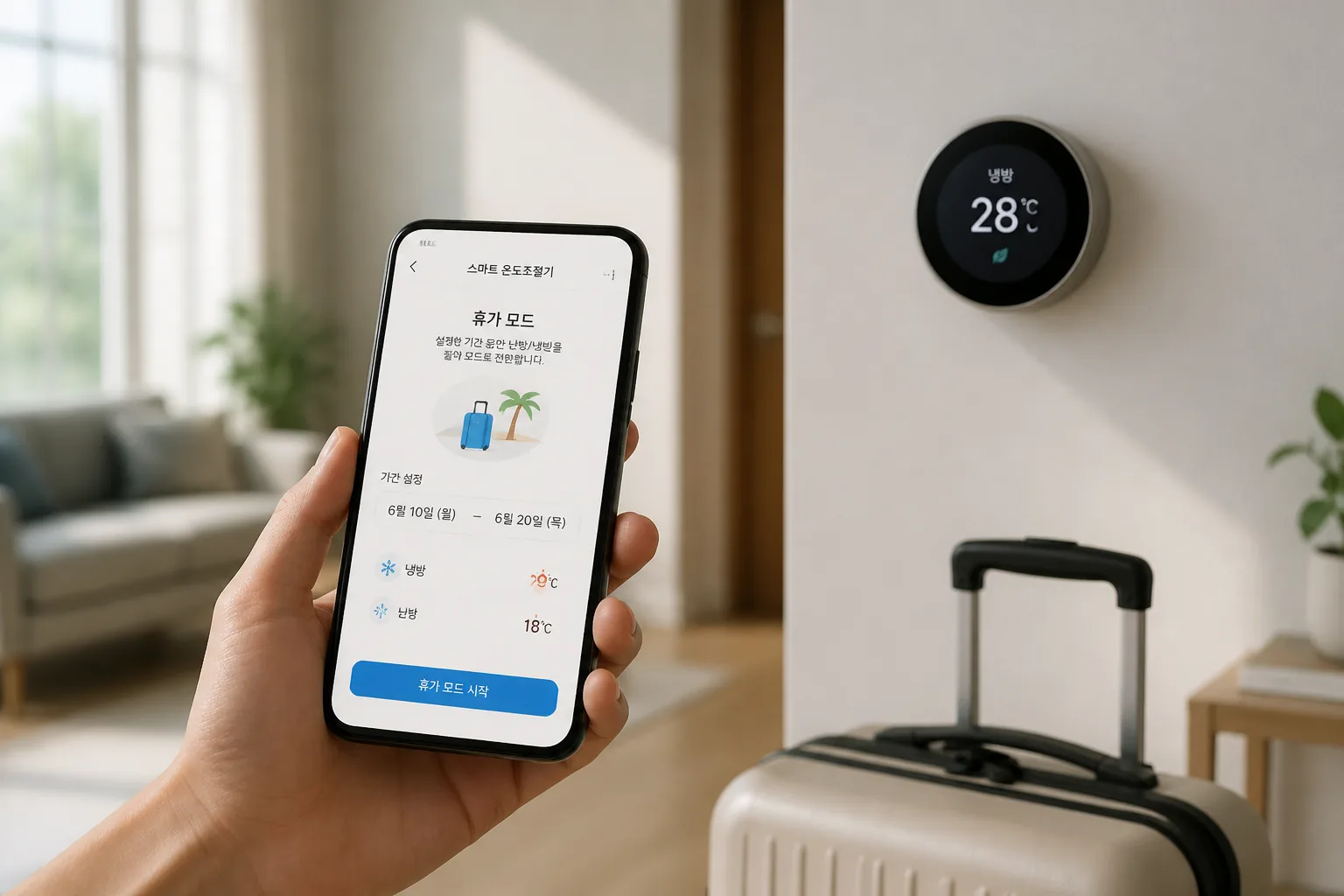
01 Before you leave town, fix the 3 settings that waste the most
Ever come home from a 7-day trip and wonder why the power bill still looks ugly? I’ve seen that happen with a Phoenix home set at 72°F all week in June, and the AC basically worked overtime for nobody.
The short version: vacation mode, smart plugs, and leak alerts do more for summer savings than flashy gadgets. If you’re mapping out June deals, start with the boring stuff first.
read more about smart home upgrades that actually pay off
A well-set thermostat can trim cooling waste, while connected plugs stop TVs, game consoles, and coffee makers from sipping power 24/7.
A smart home saves money only when the automations match real life.
02 The smart devices insurers actually care about
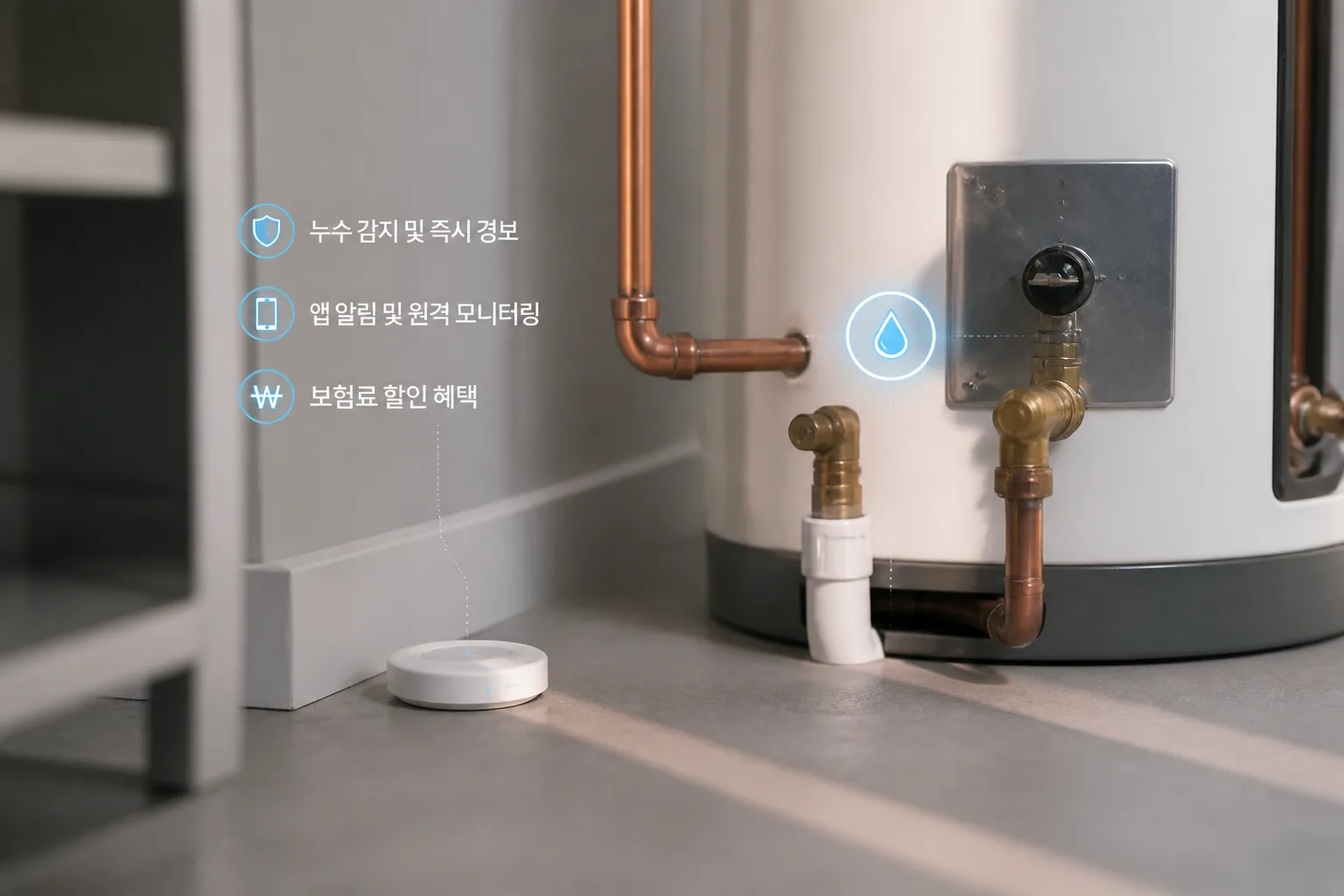
Here’s the part a lot of shoppers miss: insurance discounts usually lean toward safety devices, not comfort devices. Think water leak sensors, smoke/CO monitors, security systems, and professional monitoring. A thermostat alone may help your bill, but it rarely moves your premium by itself.
A friend of mine in Tampa added leak sensors near a water heater and under the kitchen sink after a small plumbing mess in 2024. The monthly savings on insurance weren’t huge, but avoiding one soaked-floor disaster would cover the gear fast. That’s the real math.
03 Father’s Day picks that earn their spot on the Wi-Fi
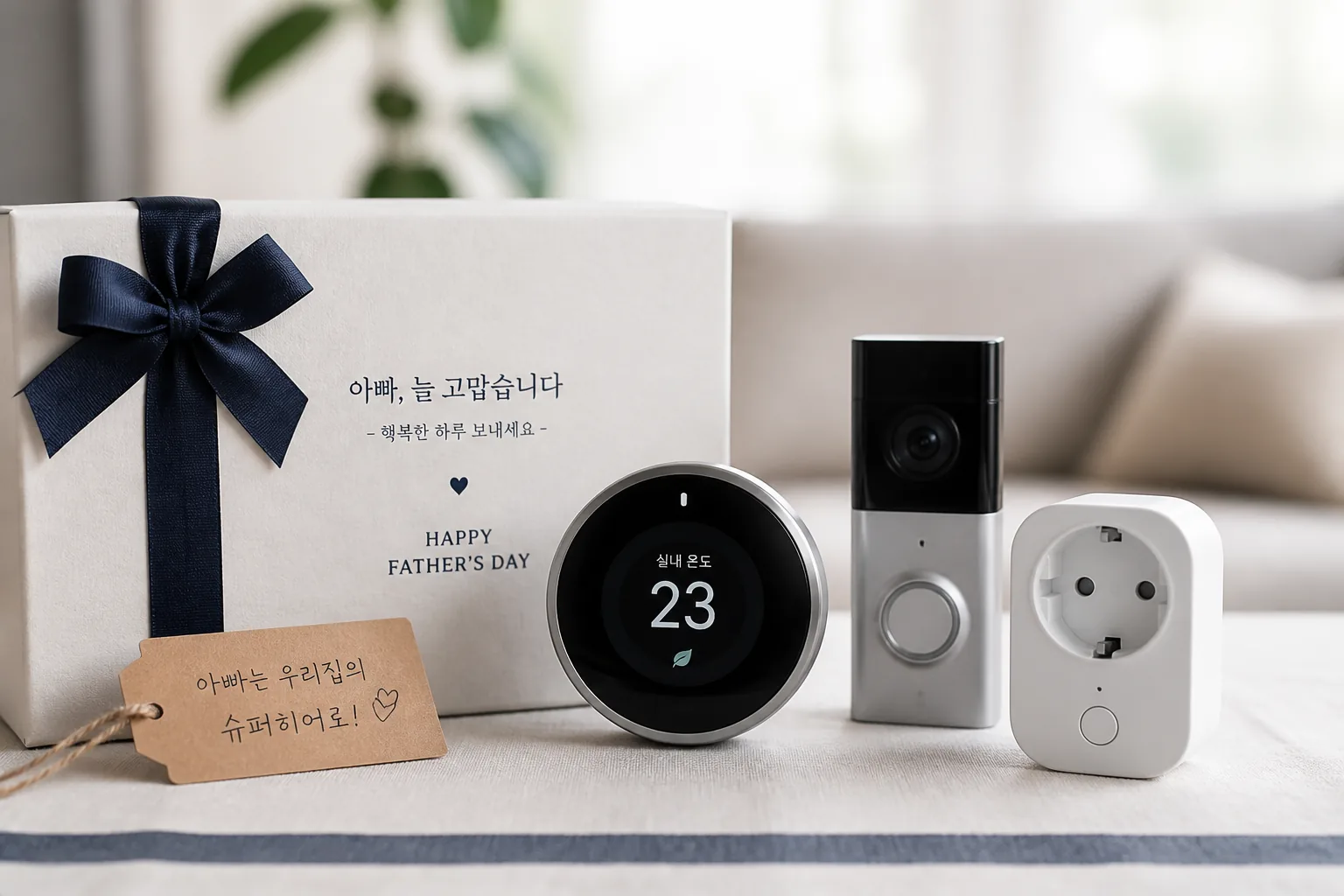
Not every smart home gift deserves shelf space. The best Father’s Day picks solve one annoying problem in under 10 minutes. That usually means a smart thermostat, outdoor smart plug, video doorbell, or leak sensor starter kit.
Quick recap:
- Smart thermostat: best for homes with high summer AC use
- Outdoor plug: handy for patio fans, lights, and holiday carryover gear
- Video doorbell: useful for package checks during travel
- Leak sensor kit: strongest practical value for risk reduction
Honestly, I’d skip giant “whole-home” bundles unless Dad already uses Alexa, Google Home, or Apple Home regularly. Otherwise, setup turns into a Saturday headache.
see our guide on smart security gadgets worth buying
The smartest buy is usually the one he’ll install that same weekend. Prime Day bundle math proves that fast.
04 Prime Day bundle math is where the real savings get fuzzy
Bundle pricing can look amazing at 11 p.m. and feel less impressive the next morning. I always check three numbers: standalone price, utility rebate, and subscription cost. A $199 thermostat bundle sounds strong until a local utility offers a $50 rebate on the single device and the bundle adds a $9.99 monthly plan.
Cheap upfront and expensive by month 4 is still expensive.
Use this simple screen:
- Compare the item’s 30-day average price with the sale price.
- Check your electric utility for thermostat or demand-response rebates.
- Confirm whether the app, cloud recording, or monitoring fee is optional.

Of course, there are exceptions. A bundle can win if you already planned to buy every piece and they all work in one app. That last part matters more than people expect, and it leads to the final checklist.
05 Do these 3 things today before summer rates hit harder
If you want the practical version, here it is. Open your thermostat app today, set a vacation schedule, and test it before your next weekend away. Then call or chat with your home insurer and ask one direct question: which connected safety devices qualify for discounts in 2026?
After that, build a tiny deal list instead of impulse-buying. Put one thermostat, one leak sensor kit, and one outdoor plug on it. That’s enough to compare real value without drowning in tabs.
- Set vacation cooling and smart plug schedules tonight
- Ask your insurer for device-specific discount rules
- Check rebate pages before Prime Day goes live
related: easy ways to cut your summer electric bill

That’s the play: lower waste, buy fewer devices, and make every gadget earn its keep. Simple beats flashy. Every time.