If Prime Day, Father’s Day, and summer travel are all hitting your wallet at once, you’re not alone. A few smart money moves now can keep short-term spending from wrecking your longer-term plan.
| Platform | Typical Cost | Best For | Main Strength | Watch-Out |
|---|---|---|---|---|
| Betterment | ~0.25% | Beginners | Strong goal-based automation | Premium advice costs extra |
| Wealthfront | ~0.25% | Planners | Clean digital experience | Limited human guidance |
| Schwab Intelligent Portfolios | $0 advisory fee | Fee-focused investors | Low headline cost | Cash allocation may reduce returns |
| Fidelity Go | Tiered pricing | Fidelity users | Easy ecosystem fit | Features depend on balance |
| SoFi Automated Investing | $0 in many cases | New investors | Low barrier to start | Simpler portfolio setup |
01 The money decisions that sneak up on you every June
Ever notice how three small summer plans can wreck a smart investing habit in 30 days? Prime Day wish lists, Father’s Day gifts, and one long July weekend can easily eat $400 to $1,200 before you’ve even checked your brokerage app.
That’s why this comparison takes a different angle. Instead of treating robo-advisors, dividend investing, and savings products like separate lanes, we’re putting them on one dashboard. I’ve seen friends do this backward—invest first, then scramble for airfare on a credit card at 19% APR. Bad trade.
If you’re weighing automated investing, Korean brokerage names like 한국투자증권 and NH투자증권 for dividend ideas, and a simple savings account or 적금 for short-term goals, the short version is this: use the right bucket for the right timeline.
read our guide to building an investment plan that actually fits your life
gets the foundation right.
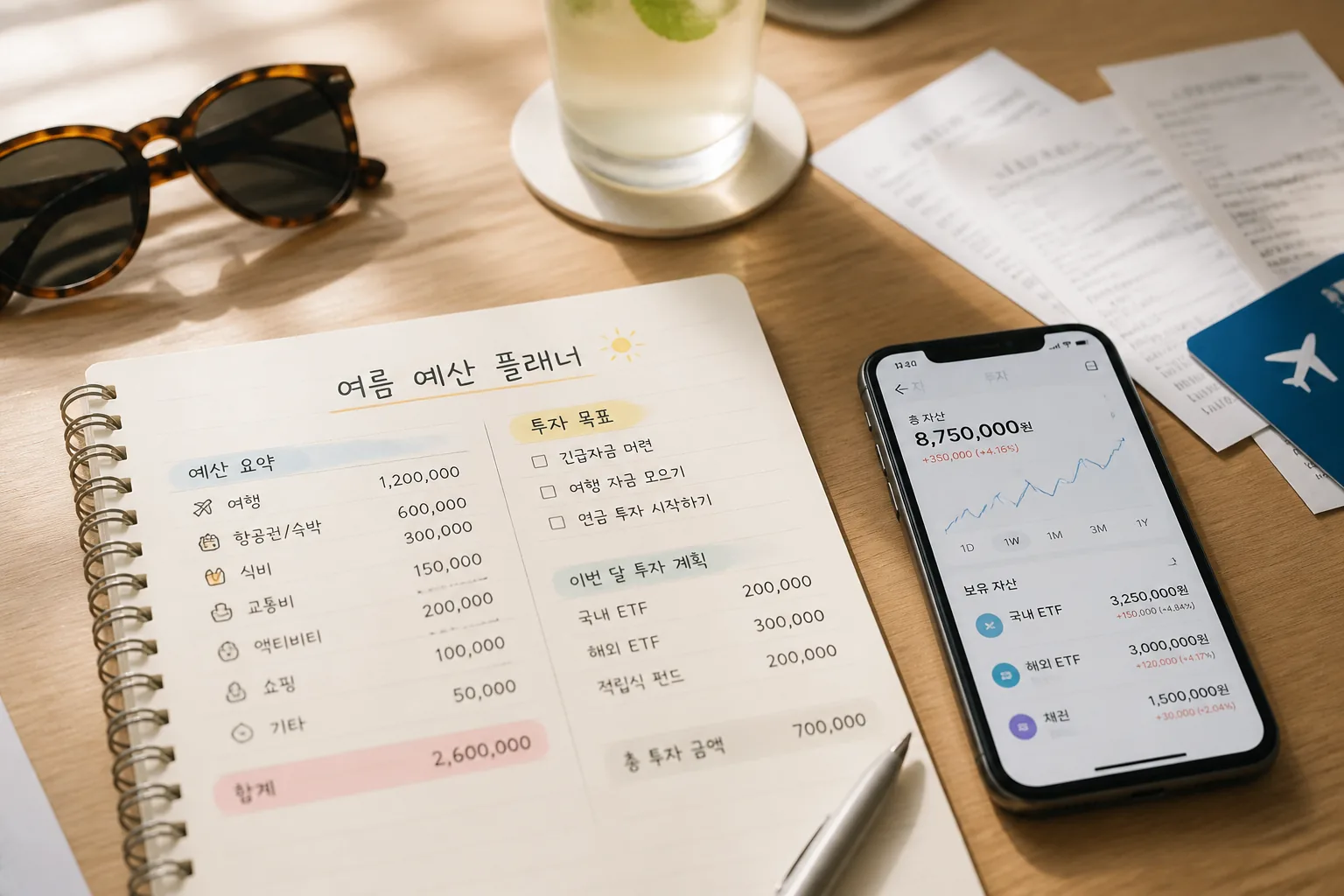
The smartest portfolio can still lose to bad cash-flow timing.
Next, let’s sort out which robo-advisor style actually fits real life.
02 5 robo-advisor picks, and who each one fits
Fees, friction, and behavior matter more than flashy charts. For most general investors, a robo-advisor works best when it handles rebalancing, risk profiling, and tax basics without asking you to babysit the account every Friday night.
| Option | Typical cost | Best for | Watch-out |
|---|---|---|---|
| Betterment | ~0.25% annual fee | Beginners who want clean automation | Premium advice costs extra |
| Wealthfront | ~0.25% annual fee | Goal-based planners | Less human guidance |
| Schwab Intelligent Portfolios | No advisory fee, cash allocation applies | Fee-sensitive investors | Cash drag can reduce returns |
| Fidelity Go | $0 on lower balances, then advisory fee tiers | Existing Fidelity users | Features vary by balance |
| SoFi Automated Investing | No management fee in many cases | New investors starting small | Portfolio depth may feel basic |
When I tested robo tools myself, the biggest difference wasn’t the homepage design. It was how easy they made goal separation. A summer trip fund, retirement account, and taxable dividend sleeve should not sit in one mental pile. That’s where people get sloppy, honestly.
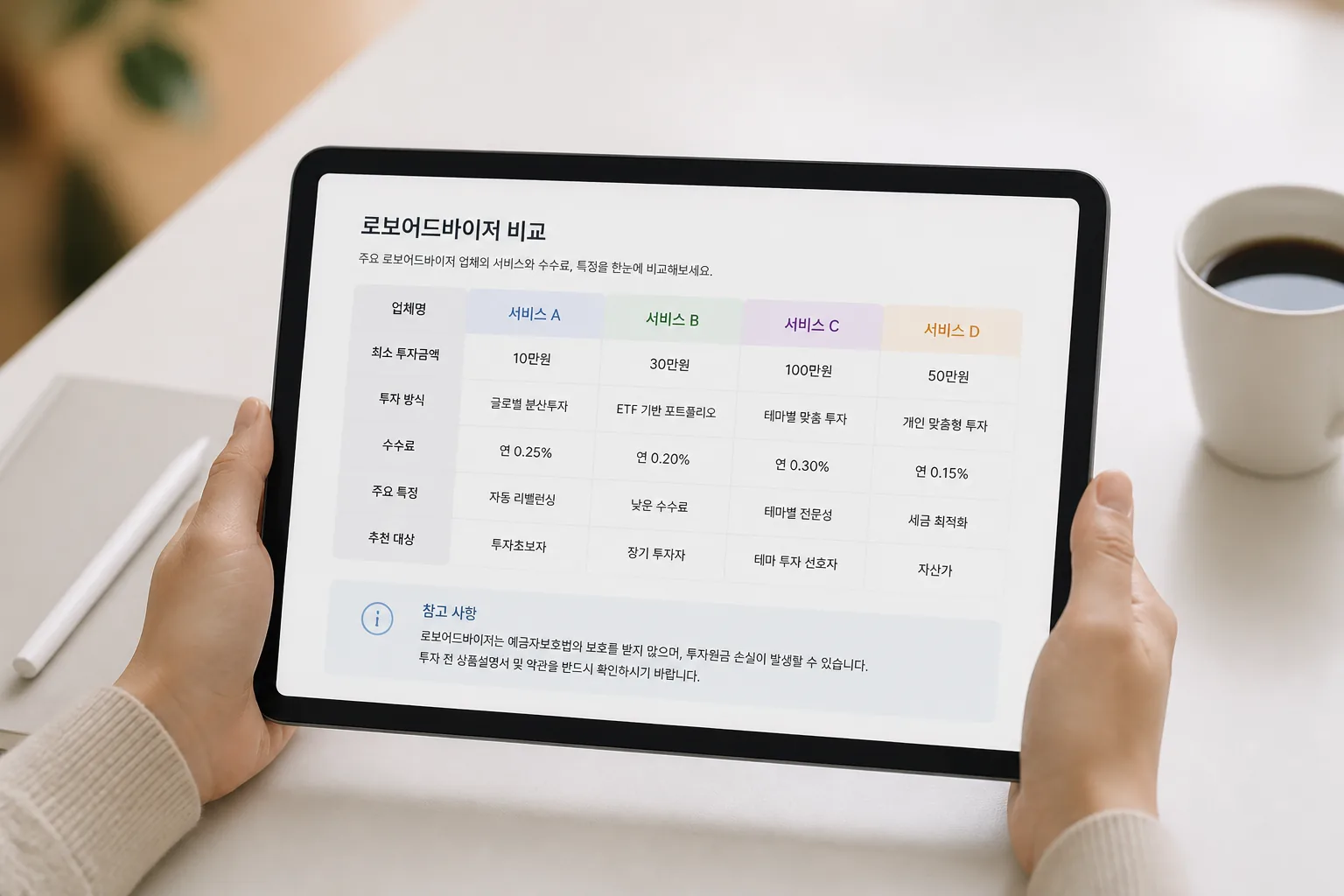
The bigger question, though, is where dividend-minded readers should look if they’re also watching Korean platforms.
03 Where 한국투자증권 and NH투자증권 enter the picture
For readers searching 한국투자증권 and NH투자증권, the appeal is usually pretty clear: local familiarity, access to Korean equities, and interest in dividend names or cash-management products. Both are established securities firms, and both can make sense for investors who want direct control rather than full automation.
Here’s the trade-off. A robo-advisor is like using cruise control on I-95. A brokerage account at 한국투자증권 or NH투자증권 is more like taking the wheel yourself in downtown Seoul at 6 p.m. You get control, but you also get more decisions, more timing mistakes, and more temptation to chase yields.
Dividend investing is not a substitute for a vacation fund. That sounds obvious, yet people mix them up every year. A 4% to 6% dividend yield can look comforting, but stock prices still move.
see our dividend investing guide for beginners
pairs well with this step.
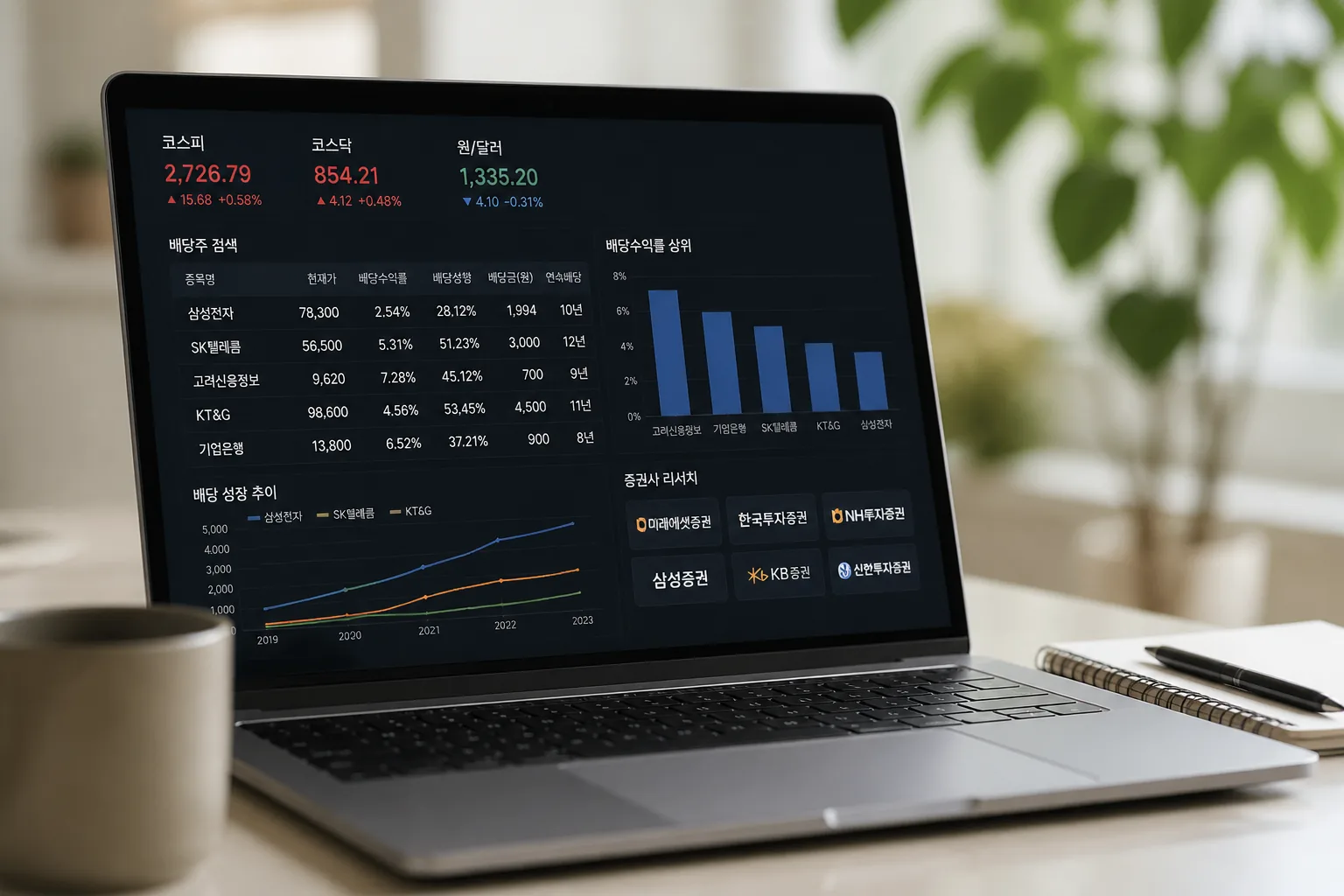
So where should summer spending money actually live? That’s the part that saves people.
04 Your summer money needs 3 buckets, not one
Here’s the simple framework I’d use for 2026 prep.
- 0-3 months: high-yield savings or 적금 for Prime Day, Father’s Day, and flights
- 1-5 years: robo-advisor for medium-term goals with balanced risk
- 5+ years: direct investing, dividend strategy, retirement accounts
A friend of mine did this with exact numbers last year: $600 for July travel, $150 for gifts, $300 for shopping deals, and $250 monthly into a robo account. Suddenly the chaos looked manageable.
Quick recap:
- Savings products protect short-term plans
- Robo-advisors reduce decision fatigue
- Dividend accounts belong in the long game

If the timeline is short, safety beats yield. Every time.
One last thing: the best plan is useless unless you act before the sales emails start landing.
05 Do these 3 things today before summer spending starts
Start with one sheet of paper or one notes app. Write down your next 90 days of known spending: gifts, travel, shopping, and one surprise buffer worth at least 10%.
Then open your investing app and label accounts by goal. If your robo-advisor doesn’t make that easy, that’s a real signal.
related: best cards for travel and seasonal spending
can help if rewards are part of the plan.
Finally, pick one lane for each dollar. Short-term cash goes to savings or 적금. Long-term money goes to a robo-advisor or brokerage. Dividend ideas from 한국투자증권 or NH투자증권 can wait until the emergency and travel buckets are funded. That order matters.

If you get this part right in June, the rest of 2026 feels a lot less expensive.