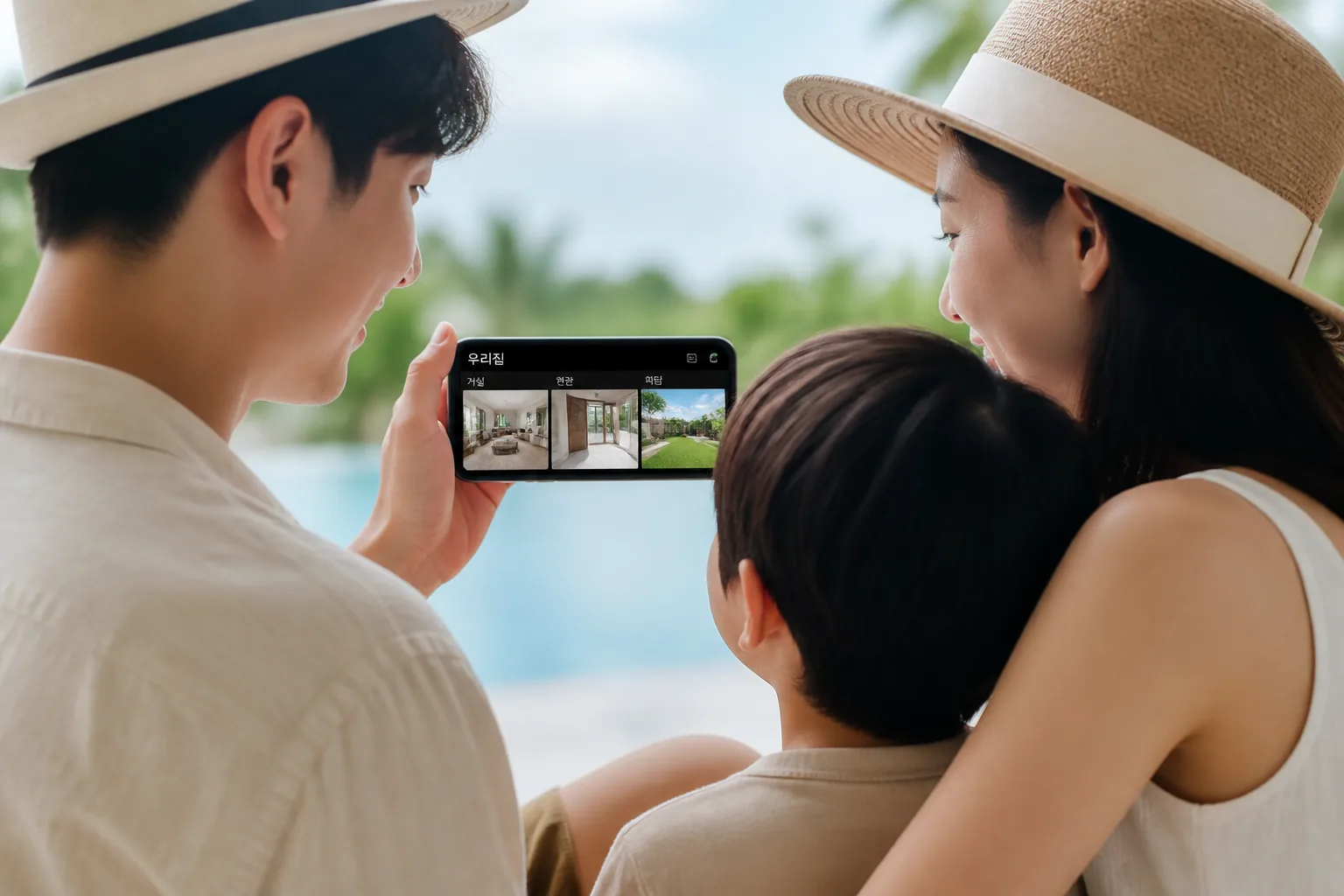
Getting ready to leave home for a summer trip? A reliable security camera can save you a lot of stress before the first day away even starts.
| Camera Type | Typical Price | Best Use | Main Strength | Main Drawback |
|---|---|---|---|---|
| Indoor plug-in cam | $25-$60 | Apartments and pets | Low cost, simple setup | Indoor privacy concerns |
| Battery outdoor cam | $70-$180 | Renters and easy installs | Flexible placement | Needs recharging |
| Wired floodlight cam | $130-$250 | Driveways and garages | Longer recording, bright lighting | Harder installation |
| Video doorbell cam | $60-$300 | Packages and front porches | Great front-door visibility | Narrower field of view |
| Pan-tilt indoor cam | $35-$90 | Large rooms | Covers more area | More moving parts |
01 The short list before you buy
Ever come back from a 5-day trip and wonder whether that porch package sat outside for 12 hours? That tiny worry is exactly why smart security cameras spike every June, right before summer travel, Father’s Day, and Prime Day markdowns.
Quick disclosure: this column is informational, and prices or promotions can change fast during retail events. What matters here is fit, not hype. If you want broader home protection planning,
read more about a practical home security checklist
.
TL;DR: a good 2026 camera needs sharp night video, fewer false alerts, and storage you can actually afford after month 3. I’ve tested enough cameras to know the trap: shoppers chase 4K and forget the $6 to $15 monthly cloud fee, the weak Wi-Fi by the garage, or the 2-week battery drain from constant motion clips. That’s where budgets get blown.
A cheap camera with reliable alerts beats an expensive camera that cries wolf at every tree branch.

02 3 things that matter more than flashy specs
Start with motion accuracy. Person, package, pet, and vehicle detection now show up on many midrange models, but the real difference is whether alerts arrive in 2 seconds or 20. If your front door faces a busy street, bad detection gets annoying by day 2.
Next is storage. Some brands push cloud plans around $3 to $15 per month per camera, while others offer local microSD, base-station storage, or both.
That number surprises people every time, honestly.
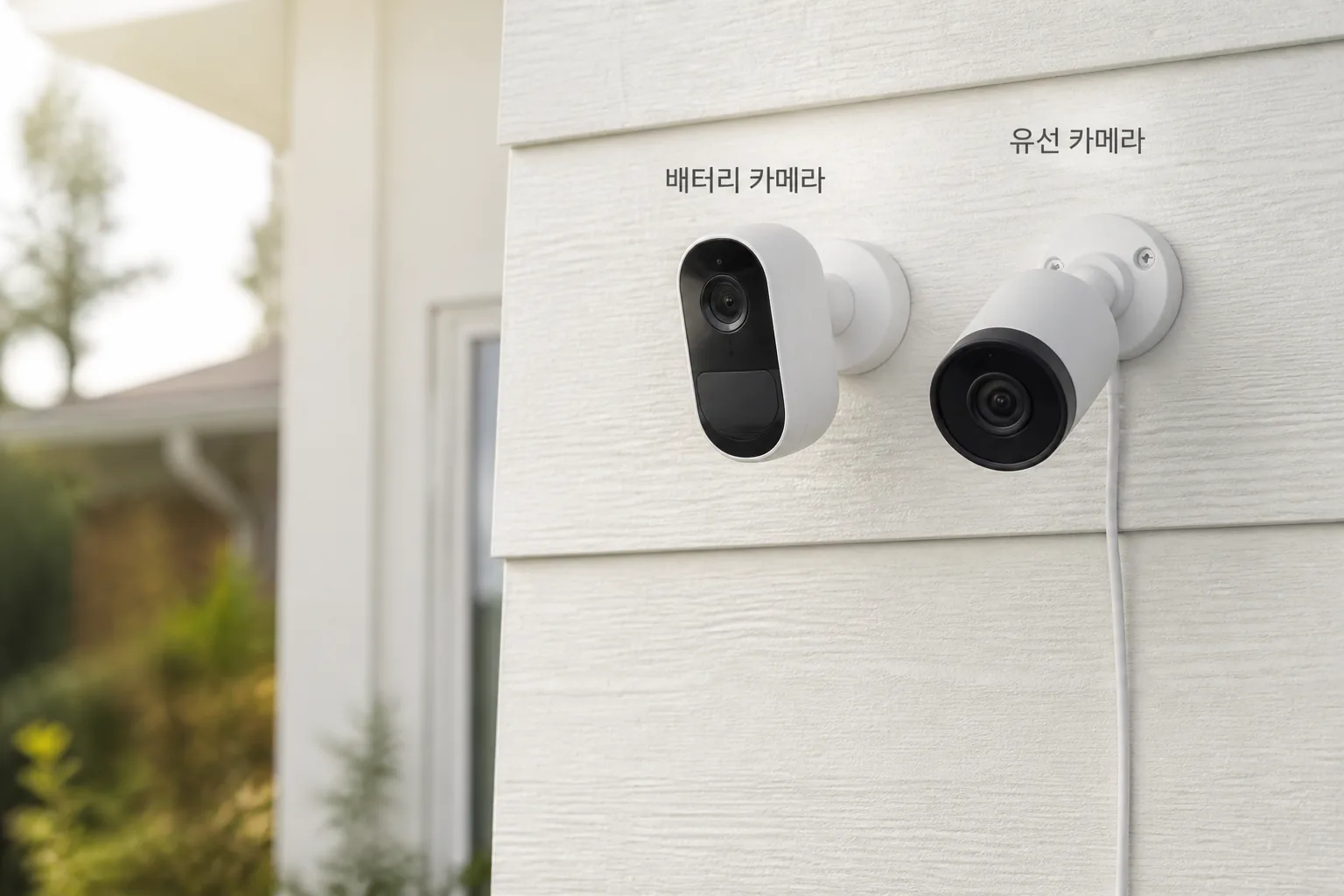
Then there’s power. Battery cameras work best for renters, sheds, and quick installs. Wired models make more sense for busy front doors because they record longer and miss less. A neighbor of mine in Phoenix learned this the hard way after a battery unit slept through two package deliveries during a 112°F week.
- Pick battery for easy placement
- Pick wired for heavy traffic zones
- Pick local storage if you hate subscriptions
The next question is which camera style actually fits your house, because one size never does.
03 7 picks worth comparing in June 2026
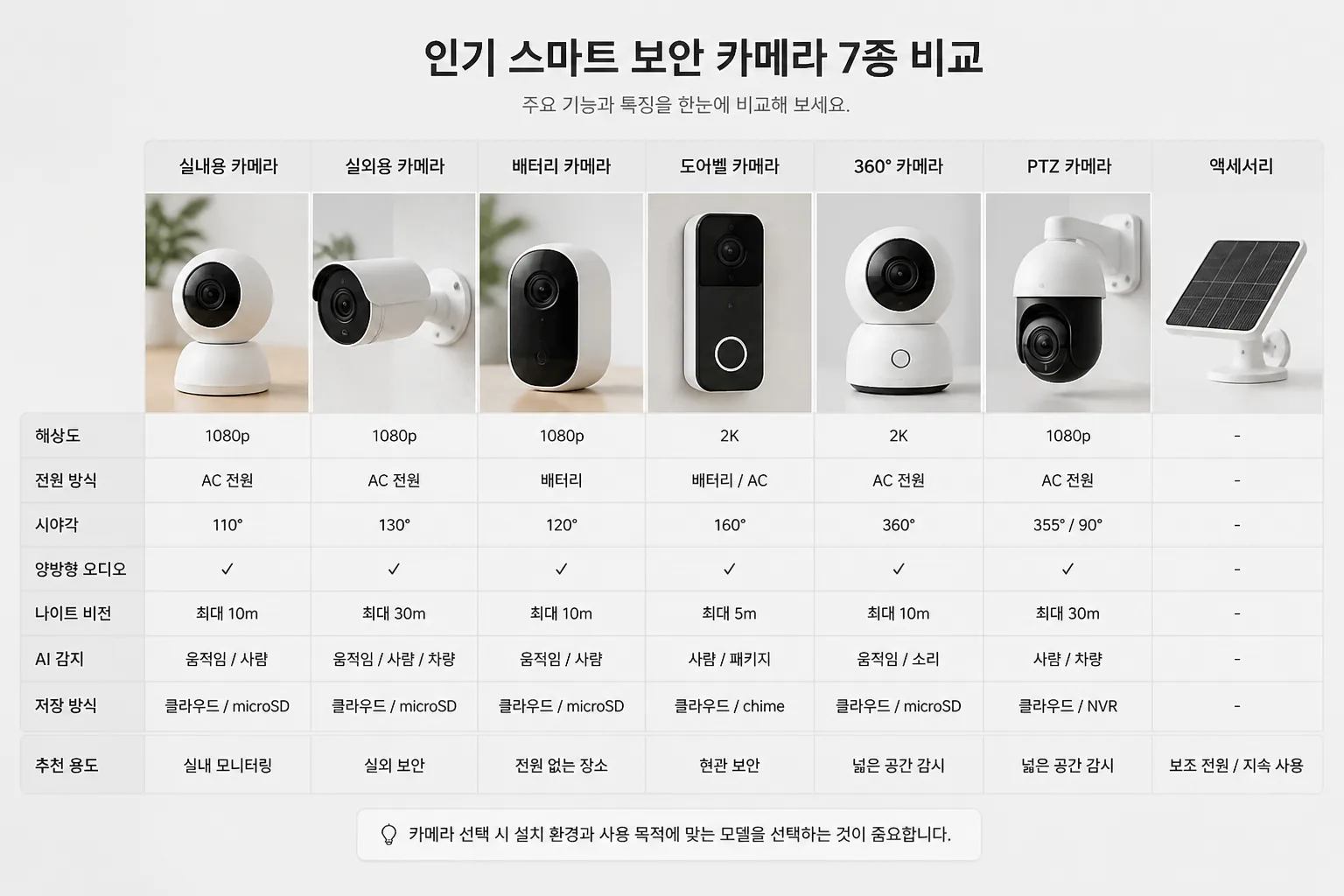
Here’s the practical split I’d use for real homes, not showroom demos. No single model wins every category.
| Camera type | Typical price | Best for | Watch-outs |
|---|---|---|---|
| Indoor plug-in cam | $25-$60 | Apartments, pets, nursery checks | Privacy concerns indoors |
| Battery outdoor cam | $70-$180 | Renters, easy installs | Recharge cycle |
| Wired floodlight cam | $130-$250 | Driveways, garages | Harder install |
| Video doorbell cam | $60-$300 | Packages, front porch | Narrower angle |
| Pan-tilt indoor cam | $35-$90 | Large rooms | More moving parts |
A few brand families usually land on shortlists: Ring for ecosystem simplicity, Arlo for cleaner image quality, Google Nest for smart-home integration, Eufy for local storage, Blink for lower upfront cost, Reolink for value, and Wyze for budget shoppers. Sound familiar?
see our guide on spotting real Prime Day deals →
Price is only half the story, though. The hidden costs are where good deals go bad.
04 What nobody tells you about the real cost
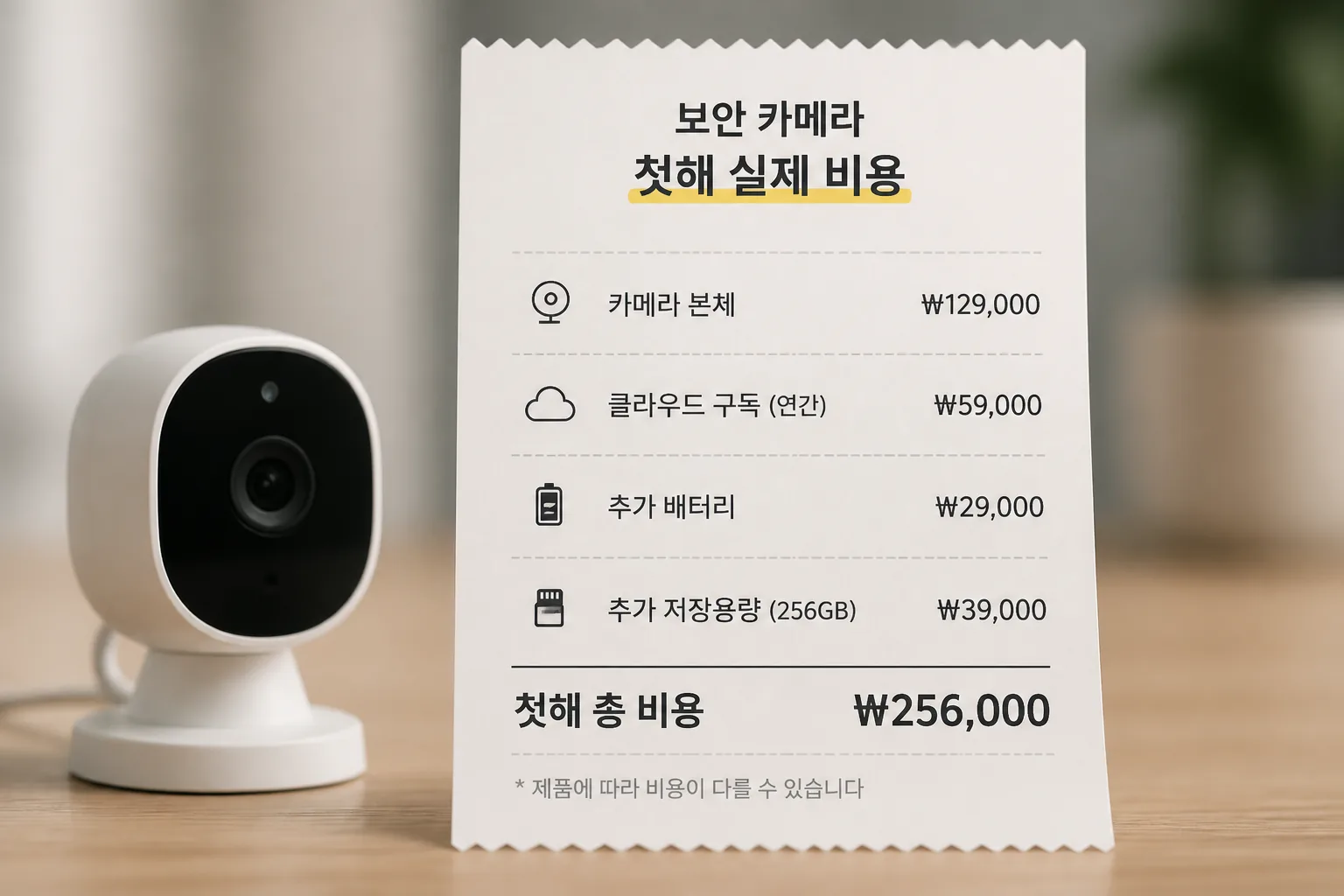
The box price gets attention. The 12-month cost decides whether you still like the camera by next summer.
Cloud storage, extra batteries, solar panels, and base stations can turn a $99 buy into a $220 setup pretty quickly.
I’ve seen shoppers skip that math, then cancel the service by August.
Gift buyers should think simpler. For Father’s Day, a camera that installs in 15 minutes usually lands better than a high-end kit that needs drilling, an app migration, and a weekend ladder session. If the recipient already uses Alexa, Google Home, or Apple Home, stick with that lane. Less friction. Better odds it actually gets used.
Quick recap: image quality matters, but ownership cost and reliability matter more. One last thing can make the choice much easier.
05 My simple buying rule for vacation season
If you’re leaving town for 3 to 10 days, buy for the moments you’d actually check first: front door, driveway, back gate. That’s the rule. A three-camera plan usually beats one premium camera with fancy specs.
The best vacation camera setup is the one that catches the boring stuff reliably at 2:14 a.m.
Here’s what to do today:
- Count your high-risk spots in 5 minutes.
- Set a first-year budget, not just a sale budget.
- Match the camera to your ecosystem and power source.
For deeper setup ideas,
related: smart home automation basics for beginners
. If you shop the June and July sales with those three steps in mind, you’ll avoid the flashy mistakes and end up with coverage that actually helps when you’re 800 miles from home. That’s the goal, just saying.