Trying to find a Father’s Day gift that won’t end up in a drawer? A smart home starter kit can pull double duty before summer travel starts.
| Setup | Typical Bundle Price | Monthly Cost | Best For |
|---|---|---|---|
| Ring Starter Bundle | $180-$300 | $5-$20 | Alexa homes and easy app setup |
| Arlo Starter Bundle | $200-$350 | $8-$25 | Sharper camera features and alerts |
| Google Nest Mix | $220-$380 | $8-$15 | Google Home households |
| Eufy Starter Bundle | $180-$320 | $0-$10 | Lower long-term fees and local storage |
01 The gift that keeps an eye on the house
Ever buy Dad a gadget that ends up in the garage by July? A smart home starter kit can go that way fast if the bundle looks flashy but solves nothing.
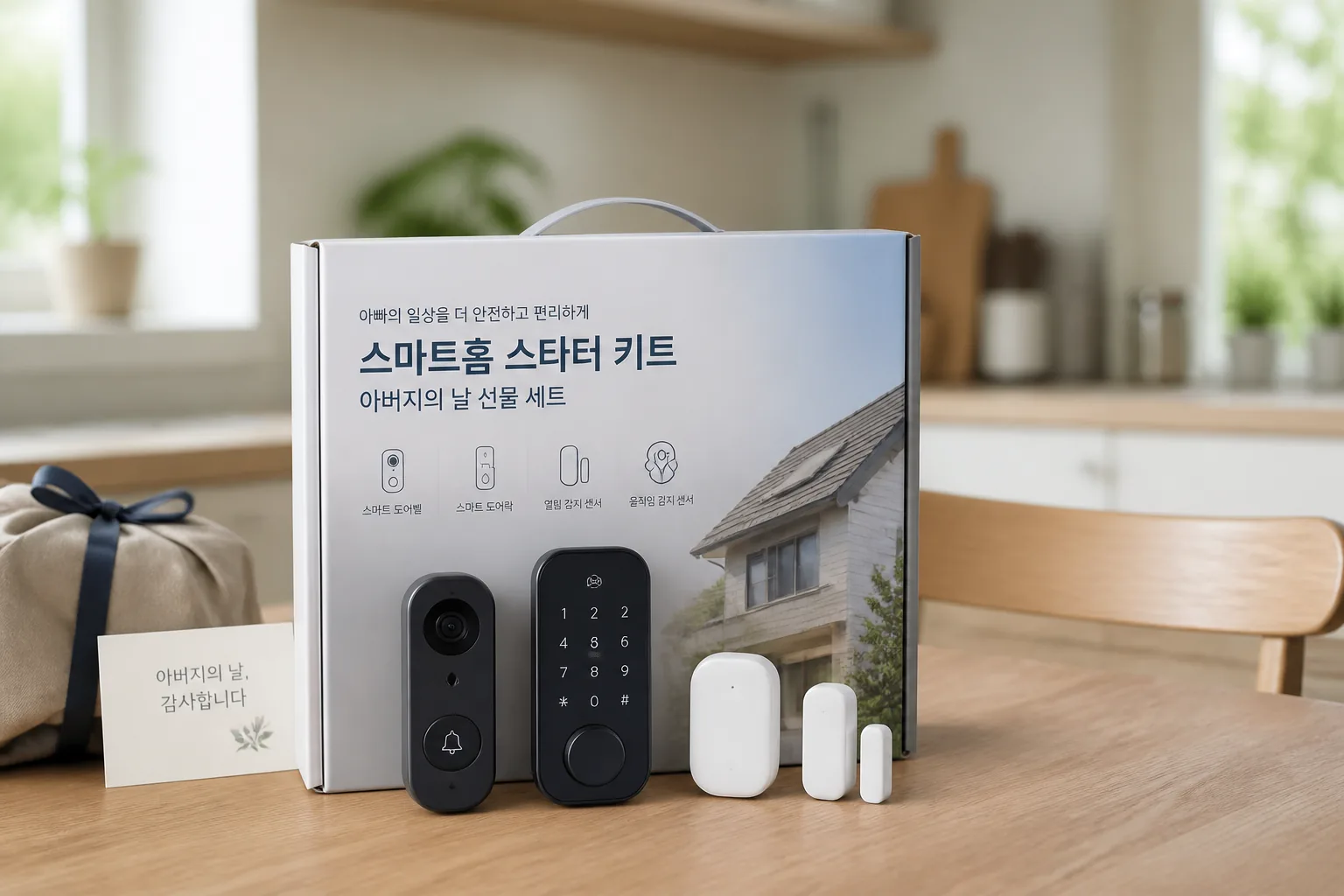
The better play for Father’s Day 2026 is a small, useful setup: one video doorbell, one smart lock, two entry sensors, and one indoor camera or hub. That covers package theft, late-night lock checks, and summer vacation peace of mind without turning the house into a science project. I’ve helped friends compare Ring, Arlo, Google Nest, and Eufy setups, and the same pattern shows up every time: the cheapest bundle up front is rarely the cheapest after 12 months.
read more about home security basics for beginners
A starter kit should remove friction in week 1, not add chores by month 3.
That brings us to the four devices worth paying for first, because this is where most people overspend.
02 The 4 pieces that actually matter
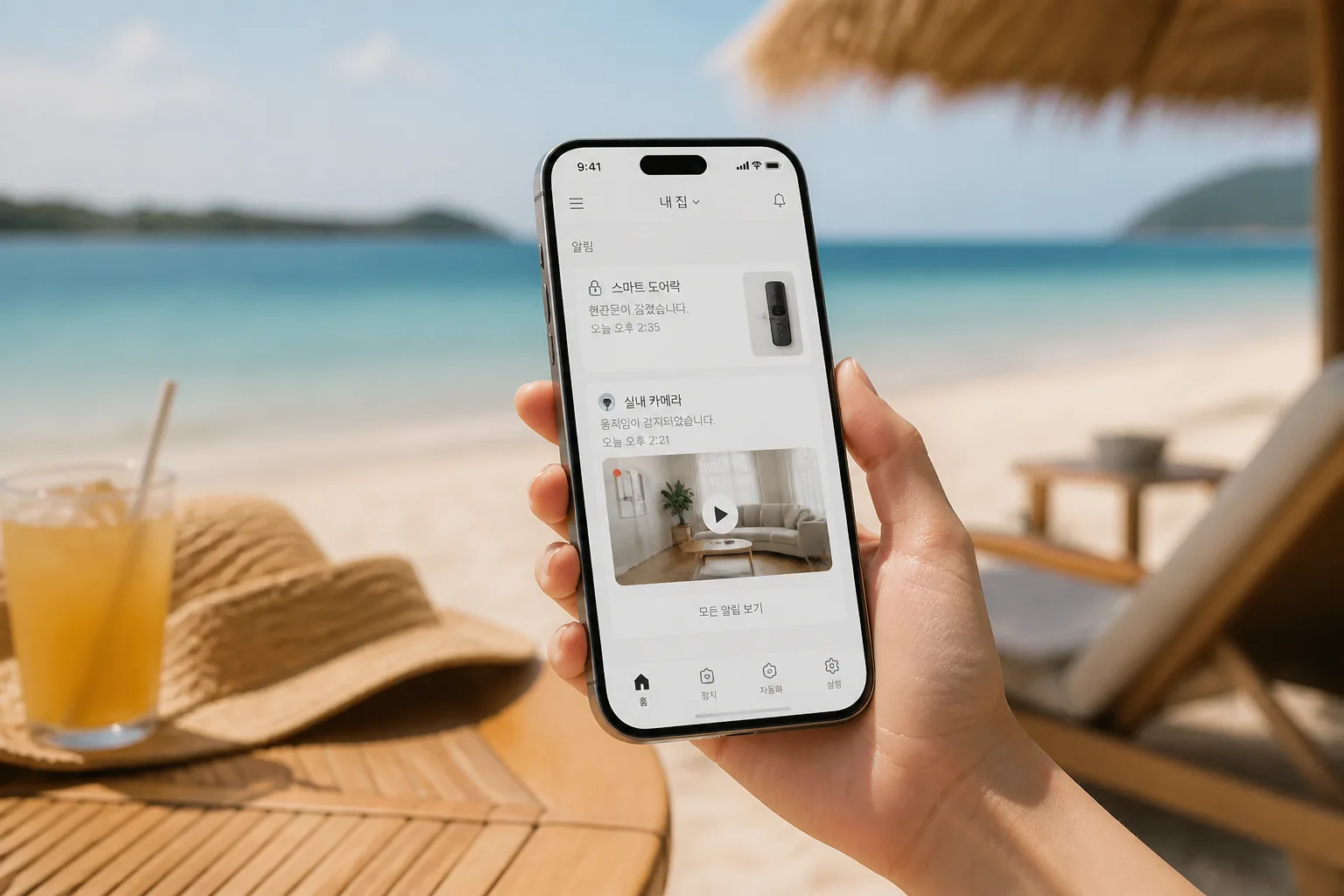
Start with coverage, not brand loyalty. A video doorbell watches the front approach. A smart lock handles access. Entry sensors cover doors and ground-floor windows. One indoor camera or compact hub gives you a quick live check when you’re 600 miles away at the beach.
Here’s the practical shortlist:
- Doorbell camera: best for deliveries and visitor alerts
- Smart lock: best for family access and backup key headaches
- 2 entry sensors: best low-cost layer for break-in alerts
- Indoor camera or hub: best for checking pets, motion, or system status
A friend of mine in Tampa bought a 9-piece kit before a June trip and used only 4 items. The rest stayed boxed. That happens because brands love padding bundles with extra bulbs, plugs, or sensors that sound fun on Prime Day but don’t protect much. Security-first beats novelty-first.
The next question is money, and that’s where the fine print gets interesting.
03 What nobody tells you about bundle pricing
Prime Day prep changes the math. A bundle marked down from $279 to $199 looks great, right? Maybe. But add a $4.99 to $19.99 monthly plan for cloud video, person detection, or professional monitoring, and year-1 cost climbs fast.
Compare total cost over 12 months, not checkout price. Eufy often appeals to buyers who want local storage and fewer monthly fees. Ring and Arlo usually offer broader subscription features. Nest sits somewhere in the middle, especially for Google-heavy households. No setup is perfect, honestly.
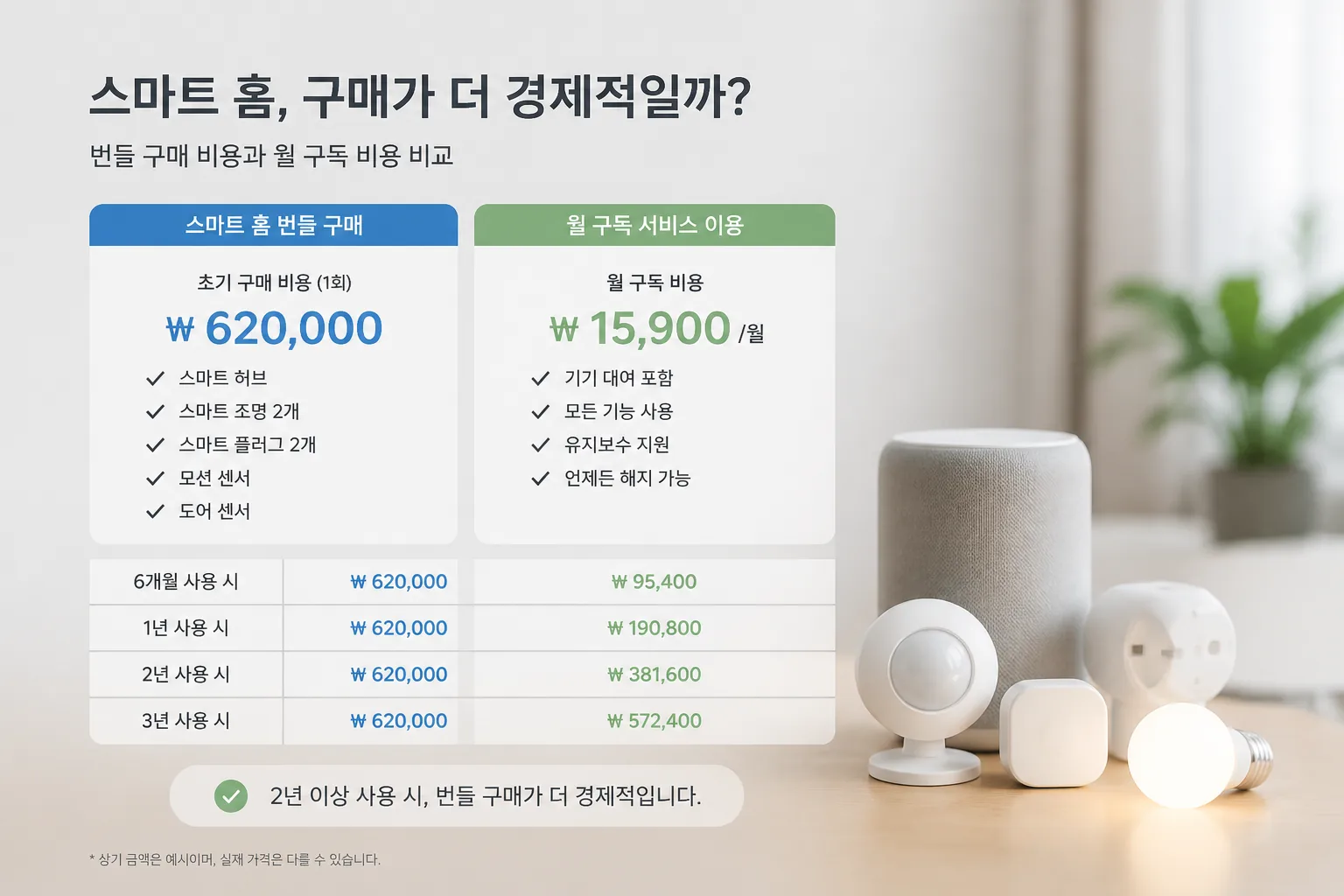
The real expense isn’t the box on sale. It’s the service attached to it.
see our guide on smart home monthly costs before you buy
And yes, there’s one more angle people forget until their insurer asks about it.
04 Insurance discounts, vacation mode, and the real-world payoff
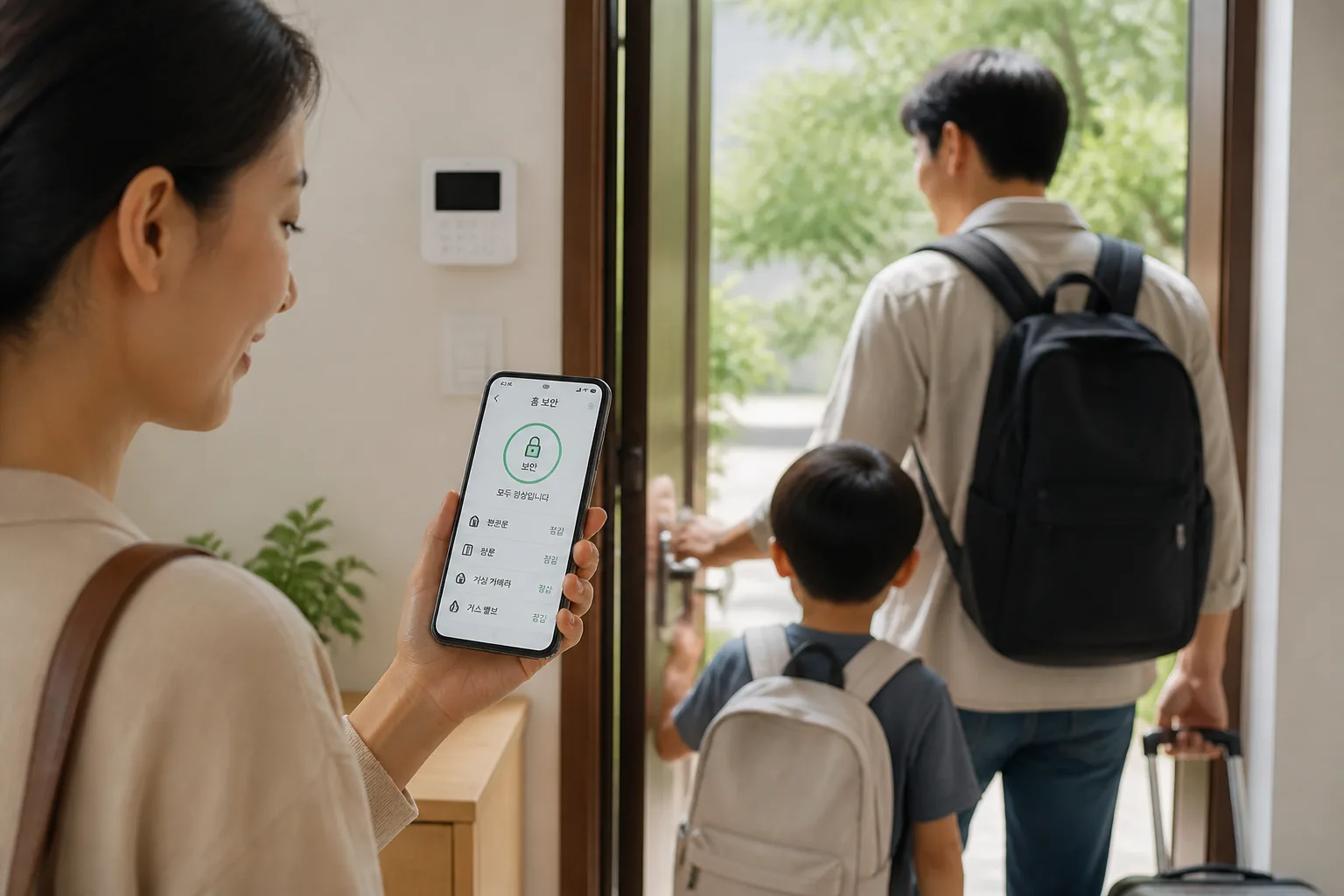
Some home insurers offer discounts for monitored alarms, leak detection, or connected security devices, though savings vary by carrier and state. I’ve seen quotes where the discount was tiny, like $20 a year, and others where monitored systems made a more noticeable dent. Ask before you assume. Period.
For summer travel, the value is less about a dramatic discount and more about catching small problems early. A smart lock can confirm the dog walker arrived at 3:07 p.m. An indoor camera can show whether the AC is still running. A sensor can flag a patio door left open during a storm. That’s the everyday payoff.
Quick recap:
- Buy 4 core devices first
- Check 12-month cost, not just sale price
- Ask your insurer which device types qualify
related: homeowners insurance savings from security upgrades
The shortlist is simple once you stop chasing the biggest box.
05 If you’re buying this week, do these 3 things
First, audit the house in 10 minutes. Count the front door, back door, and any first-floor window that worries you most.
Second, set a real budget. Think in two numbers: purchase price and 12-month cost. If the bundle is $199 and the plan is $9.99 a month, write down the full total.
Third, buy for habits. If Dad never opens a second app, pick the system that fits the phone, speaker, and routine he already has. That’s the kit he’ll actually use.
Smart home gear works best when it feels boring in the best way.
That’s the whole game: fewer devices, better fit, lower regret. If you’re shopping for Father’s Day, prepping for Prime Day, or locking things down before a July trip, start small and choose the bundle that keeps working after the sale banner disappears.