If you’re leaving home this summer, now’s the time to stop quiet energy waste. A few smart home changes before Prime Day and Father’s Day can keep the budget tighter than you’d expect.
01 The week before vacation is where money leaks
Ever come home from a 7-day trip and wonder why the power bill barely moved? I have, and honestly, that sting feels worse in July. A lived-in house can keep burning $3 to $8 a day on cooling, standby devices, and lights, even when nobody is there.
This is why the best Father’s Day or Prime Day buy in 2026 may not be a flashy gadget at all. It may be one smart thermostat, two plugs, and a routine you set in 15 minutes. For dads building purchases around dividend cash flow from 한국투자증권 holdings, that framing matters. A budget fed by quarterly income feels different from dipping into checking.
see our guide to building a dividend-income household budget
keeps that part grounded.
The smartest summer tech is the gear that keeps saving money after the box is gone.
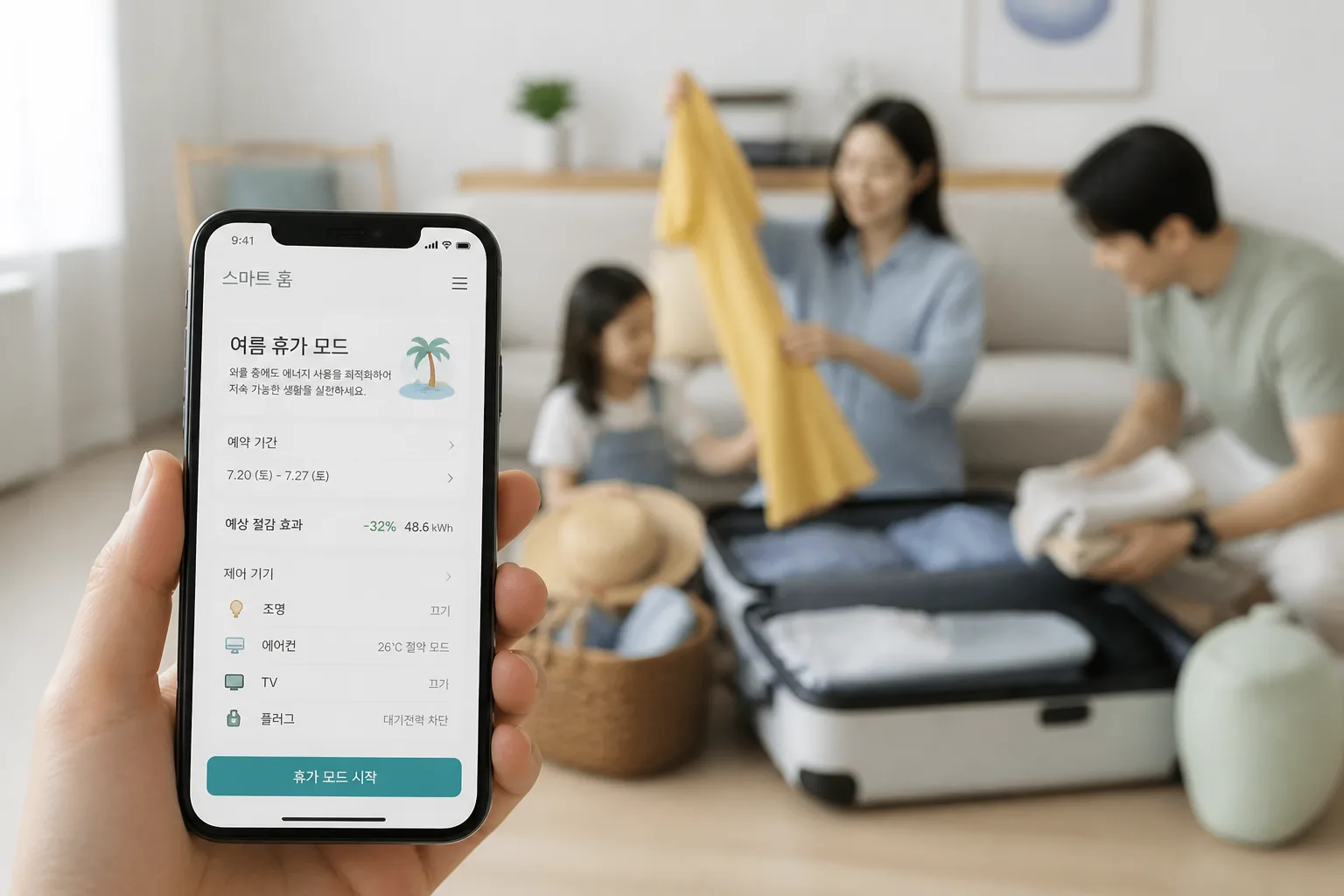
Quick recap:
- Stop cooling empty rooms
- Cut vampire power
- Automate lights for security
- Keep the budget under control
The real question is which device earns its keep fastest, and that’s where the numbers get interesting.
02 The 7 picks that make sense on a dad budget
Here’s the short list for 2026, ranked by usefulness before a summer trip, not by hype.
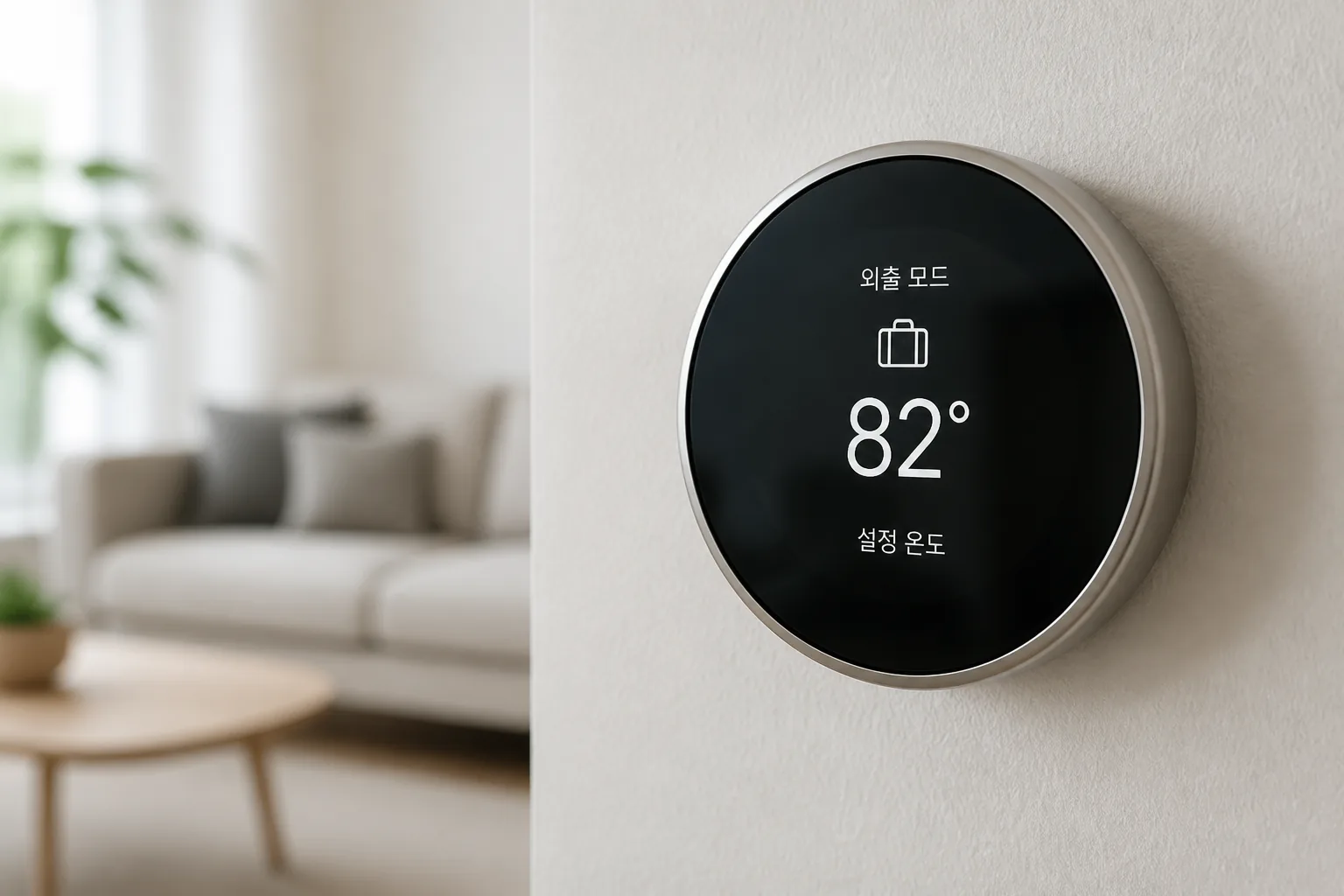
- Smart thermostat — Usually $80 to $250. Best for homes with central air.
- Smart plugs — Often $15 to $40 for a 2-pack. Great for TVs, coffee makers, and routers you don’t need.
- Smart light bulbs — About $10 to $25 each. Good for security schedules.
- Motion sensors — Around $20 to $50. Helpful for entry lights.
- Door/window sensors — Roughly $30 to $80 per set. Better awareness, less waste.
- Smart ceiling fan control — About $40 to $70. Useful in warmer states like Texas or Florida.
- Water leak sensor — Usually $20 to $60. Not an energy saver first, but a vacation lifesaver.
A friend in Suwon cut his summer cooling bill by setting his thermostat 4 to 6 degrees higher while away and using one plug to shut down entertainment gear. Small move, real result. The cheapest win is usually smart plugs. The biggest long-term win is usually the thermostat.
Next up, let’s match these gadgets to a dividend-income budget without turning Father’s Day into a spending spree.
03 Using dividend income without fooling yourself
Here’s where plenty of families get tripped up. They treat dividend income like free money, then overspend on gadgets that take 5 years to pay back. That’s backwards.
A better rule is simple: limit smart-home spending to one quarter of one dividend payout, or to the amount you’d expect to save within 12 to 18 months. If a dad receives the equivalent of $120 from 한국투자증권 dividend holdings, a $30 to $60 starter setup makes sense. Think one smart plug pack plus two bulbs. If the payout is $300, then a thermostat enters the conversation.
Budgeting from income works best when the payback period stays short and obvious.

read more about real-world thermostat savings before you buy
And yes, compatibility matters more than brand loyalty, which is exactly where buyers waste money next.
04 What nobody tells you about compatibility and payback
When I tested smart plugs at home, the annoying part wasn’t setup. It was discovering one app worked with Matter and another didn’t. That’s 2026 shopping in one sentence.
Check three things before buying:
- Your ecosystem: Alexa, Google Home, Apple Home
- Your network: 2.4GHz Wi‑Fi still matters for cheaper devices
- Your fallback: manual control if the app fails
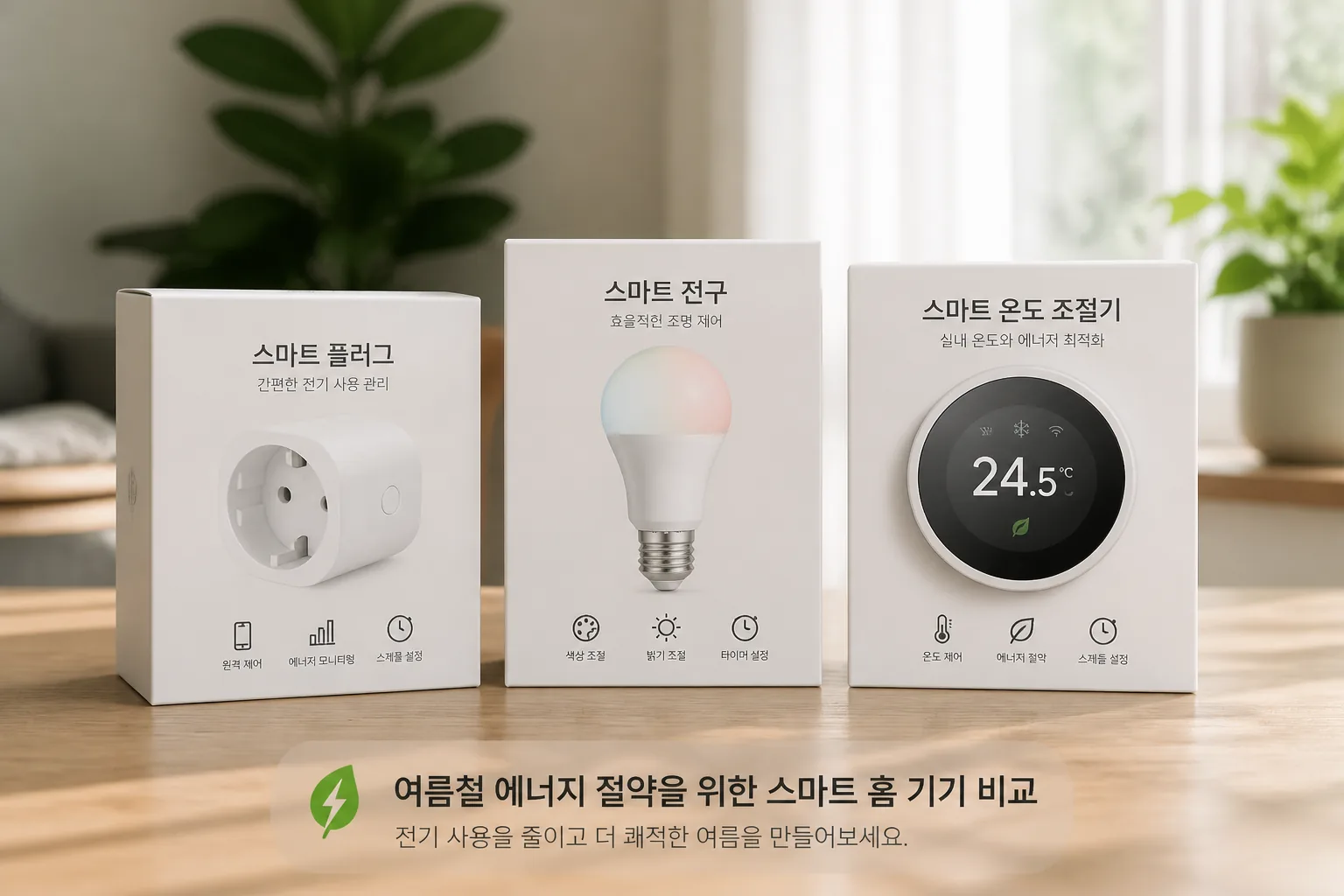
A simple comparison helps:
- Thermostat: higher upfront cost, strongest annual savings
- Plugs: lowest cost, fastest setup, smaller but immediate savings
- Lighting: more about security and convenience than bill reduction
related: Prime Day buying rules that prevent overspending
That brings us to the only part that really matters before you lock the front door.
05 Do these 3 things today before you leave
Keep this simple. You do not need a fully automated house by Friday.
- Open your thermostat app and create an Away schedule for every vacation day.
- Put the TV area, gaming console, and coffee station on smart plugs.
- Set two lights on an evening schedule between 7 p.m. and 10 p.m.
If you’re buying one gift around Father’s Day 2026, buy the device that solves the biggest leak first. Hot climate and central AC? Thermostat. Tight budget under $50? Smart plugs. Security worries while traveling? Smart bulbs and sensors.
Buy for the bill you have, not the smart home you imagine.

That’s the play: spend a little, automate the obvious, and let summer savings stack quietly while you’re gone.