If your bank balance keeps catching you off guard, the problem might not be your income. It might be the tool you’re using to track it.
| App | Price | Best For | Standout Feature | Main Drawback |
|---|---|---|---|---|
| YNAB | $14.99/mo | Hands-on planners | Zero-based budgeting | Learning curve |
| Monarch Money | $14.99/mo | Couples and families | Shared household view | Less strict budgeting method |
| Rocket Money | Free/$6-$12 premium | Subscription tracking | Cancellation and bill tools | Best features require premium |
| Simplifi | $2-$6/mo billed annually | Beginners | Clean spending dashboard | Annual billing |
| Goodbudget | Free/$10 mo | Envelope budget users | Manual envelope system | Less automation |
| PocketGuard | Free/paid plan varies | Overspending control | Spendable cash view | Lighter planning depth |
| EveryDollar | Free/$17.99 premium | Ramsey fans | Simple monthly planning | Bank sync behind paywall |
01 Budgeting apps sound easy until your habits get involved
Ever download a budgeting app on Sunday night, feel wildly organized for 18 minutes, then ignore it by Wednesday? That gap is the whole story. A good app doesn’t just track dollars. It has to match how you actually spend, split bills, save, and occasionally mess up.
This budgeting apps review looks at 7 well-known picks people compare most often: YNAB, Monarch Money, Rocket Money, Simplifi, Goodbudget, PocketGuard, and EveryDollar. I’ve tested tools in this category over the years, and the surprise is always the same: the best app is rarely the one with the longest feature list. It’s the one you’ll still open on the 25th of the month. For related money decisions, see
read more about credit card comparison strategies
.
TL;DR:
- YNAB works best for hands-on planners willing to pay more.
- Monarch Money shines for couples and shared household budgets.
- Free or cheaper apps often trade depth for speed and simplicity.
- Bank sync quality matters more than flashy charts, honestly.
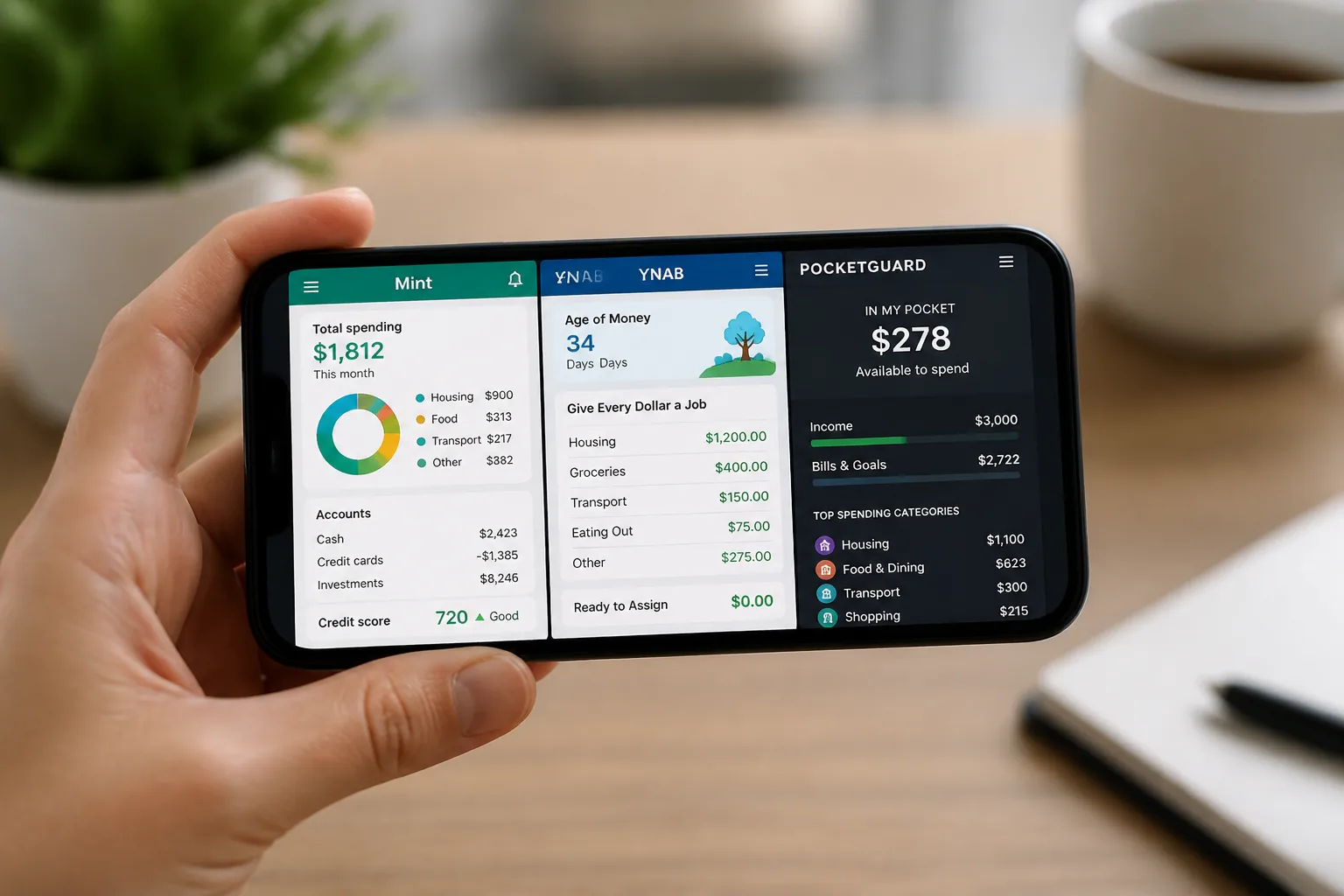
A budgeting app can’t fix denial, but it can expose it in under 30 seconds.
The short version: start with your behavior, not the app store rating. That’s where the real differences show up.
02 The 7 apps people keep comparing
Here’s the fast read readers usually want first.
| App | Typical cost | Best for | Catch |
|---|---|---|---|
| YNAB | about $14.99/month or $109/year | Zero-based budgeting | Steeper learning curve |
| Monarch Money | about $14.99/month or $99.99/year promo periods vary | Couples, families | Less strict than YNAB |
| Rocket Money | free tier; premium usually $6-$12/month | Subscription spotting | Some features paywalled |
| Simplifi | about $2-$6/month on promo, billed annually | Clean dashboard fans | Annual billing can annoy |
| Goodbudget | free tier; paid around $10/month | Envelope method users | Manual entry for many users |
| PocketGuard | free tier; paid plan varies | Overspending alerts | Fewer deep planning tools |
| EveryDollar | free tier; premium around $17.99/month | Dave Ramsey followers | Bank sync costs extra |
A friend of mine, Tara, tried YNAB and quit in 4 days. Too much setup. Six months later she switched to Simplifi, spent 20 minutes linking accounts, and finally stuck with weekly check-ins. Different brain, different fit. That matters.
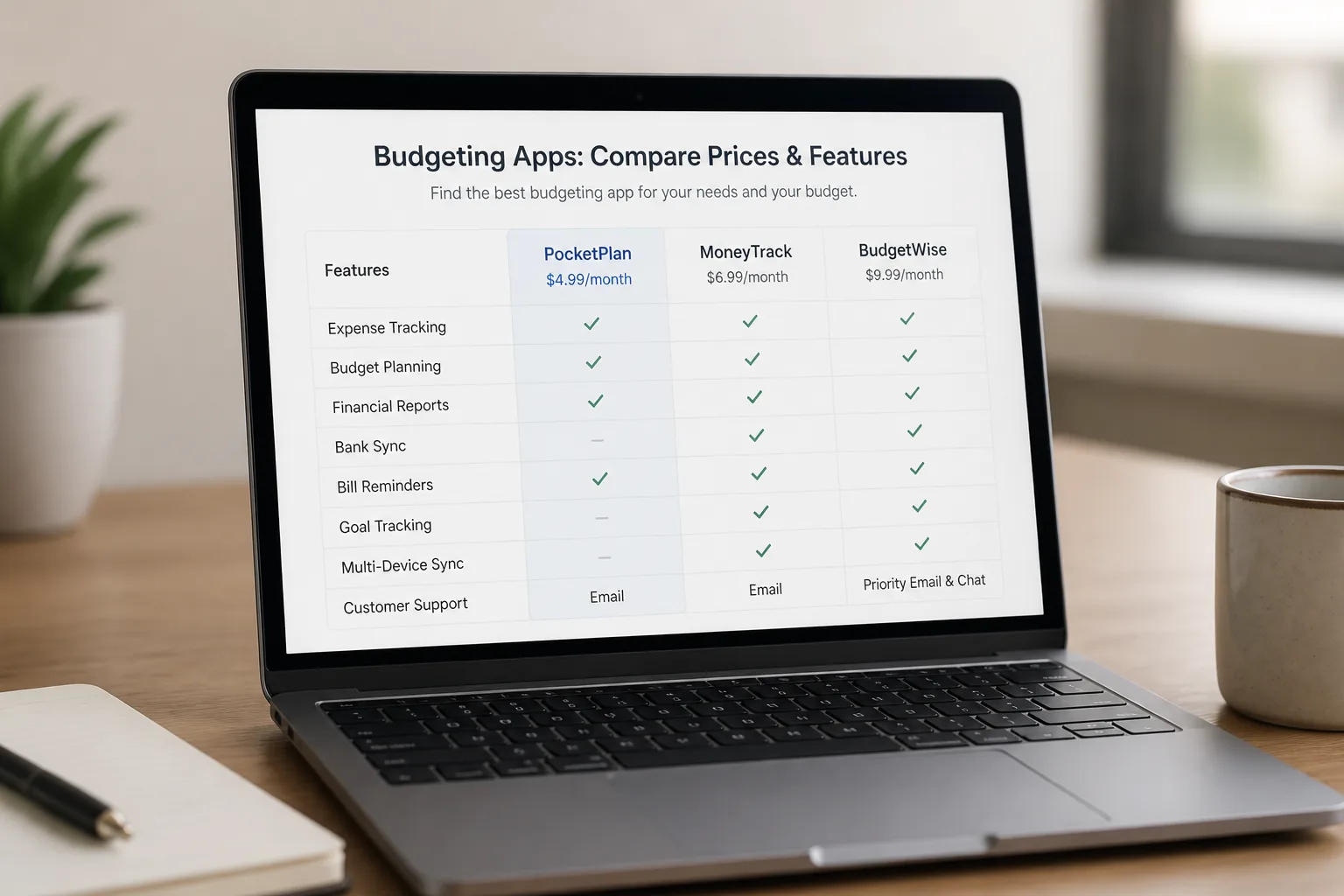
Next comes the part most reviews bury until too late: the trade-offs.
03 What nobody tells you before you connect your bank
Bank syncing sounds great until transactions duplicate, categories go weird, or one credit union refuses to connect at 11 p.m. That’s why sync reliability, not color-coded graphs, should be your first filter. Aggregators like Plaid and MX help, but coverage still varies by institution.
Then there’s philosophy. YNAB and EveryDollar push proactive planning. Goodbudget leans envelope-style, which some people love because it feels like cash in digital form. Rocket Money and PocketGuard tilt toward awareness and trimming. Monarch sits in the middle, which is why couples often like it.
- Pick YNAB if you want tight control and don’t mind a learning curve.
- Pick Monarch Money if you share finances with a partner.
- Pick Rocket Money if subscriptions keep quietly draining $9.99 here and $14.99 there.
- Pick Goodbudget if manual entry actually helps you slow down.
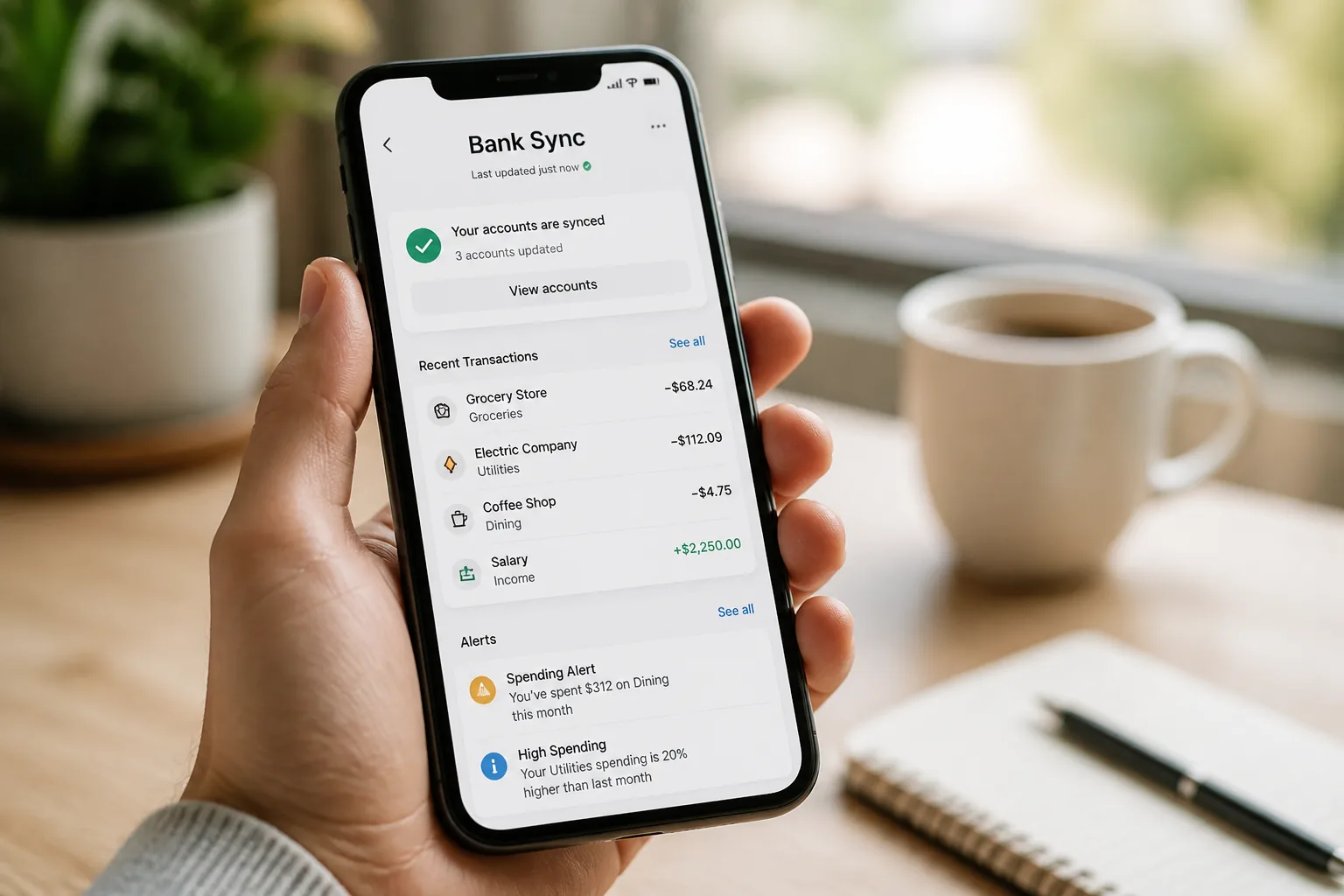
The app isn’t just software. It’s a money philosophy wearing a clean interface.
Quick recap: cost matters, but fit matters more. One last piece decides whether you’ll keep using it after month one.
04 Best picks by real-life situation, not marketing copy
If you’re brand new, start with Simplifi or PocketGuard. Both feel less like homework. If you’re paid irregularly — say freelance design, rideshare work, or seasonal commissions — YNAB usually handles uneven cash flow better. I’ve seen freelancers stick with it for that reason alone.
For couples, Monarch Money has a real edge because shared visibility reduces the classic “I thought you paid it” fight. For Ramsey-style budgeting, EveryDollar feels familiar fast. For old-school envelope fans, Goodbudget still has a loyal crowd in 2025 because manual entry creates a pause before spending. That pause is powerful.
see our guide on building an emergency fund fast
pairs well with any of these apps, especially if savings goals keep slipping.

3 smart moves today:
- List your top 2 pain points: overspending, subscriptions, debt payoff, or bill sharing.
- Set a hard cap, like $0, $5, or $15 per month.
- Test one app for 7 days, not 7 minutes.
That last step sounds small. It’s usually the difference between another abandoned app and a budget that finally holds.
05 My bottom line after comparing all 7
No single winner fits everyone, and any review claiming that is selling something. YNAB is strongest for intentional planners. Monarch Money is the most balanced for households. Simplifi is the easiest starting point for many beginners. Rocket Money earns its spot if subscriptions are your leak.
If you only remember one thing, remember this: choose the app that matches your habits on a tired Tuesday, not your fantasy self on January 1. That’s the truth.
related: debt payoff methods that actually keep working
is a smart next read if your budget needs a clear target.
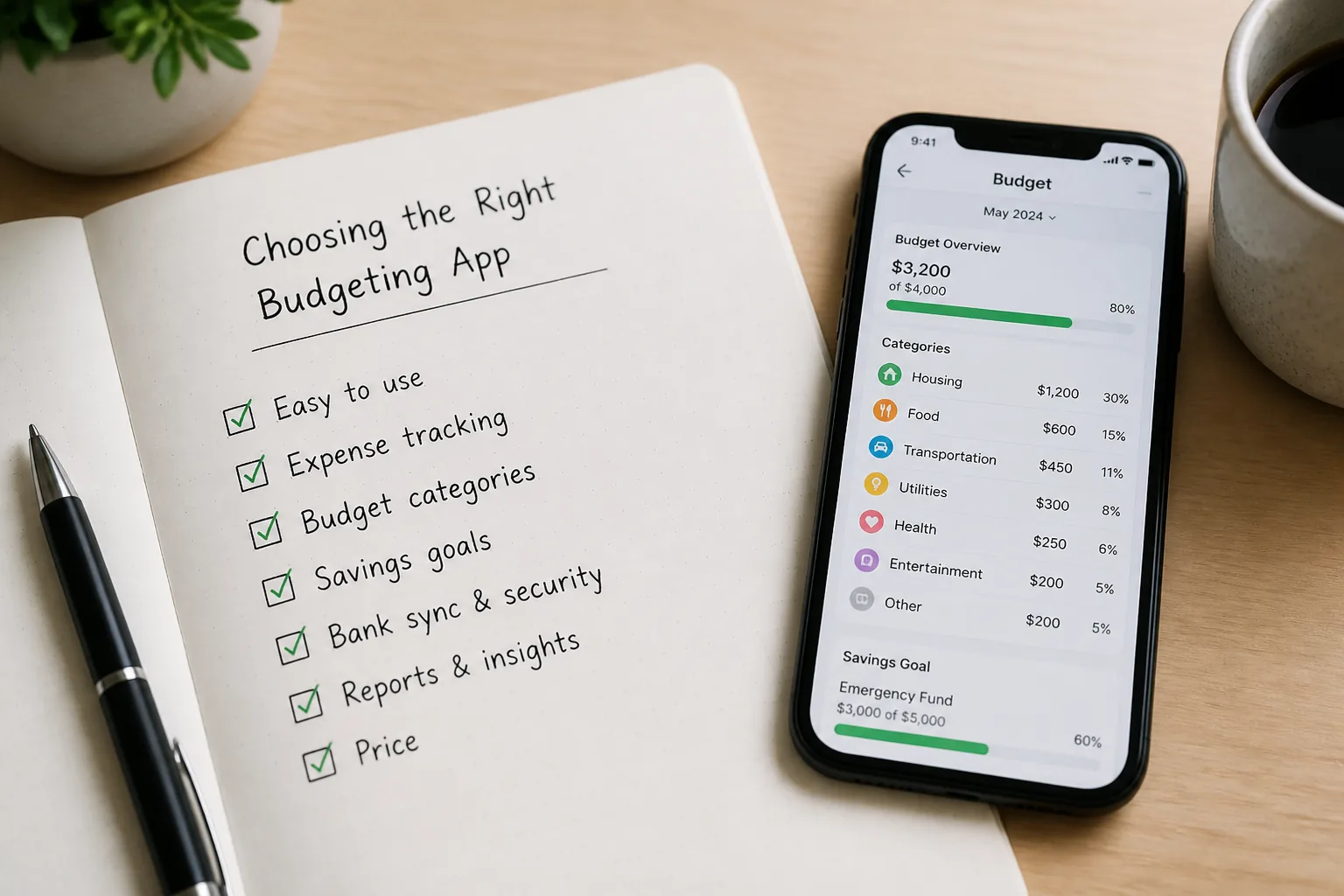
The best budgeting app is the one still helping you on day 90.
Start tonight. Download one app, link one account, and categorize your last 10 transactions before bed. That 10-minute audit tells you more than 50 reviews ever will.