Still swiping the same card for every purchase? You could be missing easy cash back on groceries, gas, dining, and the bills you already pay.
| Card Type | Annual Fee | Rewards Rate | Best For |
|---|---|---|---|
| Flat-rate cash back | $0 | 1.5% to 2% | Simple everyday spending |
| Grocery-focused cash back | $0 to $95 | 3% to 6% | Families with high supermarket spend |
| Gas and transit card | $0 | 2% to 5% | Commuters and drivers |
| Rotating-category card | $0 | Up to 5% | People who track quarterly bonuses |
| Premium cash back card | $95+ | 2% to 4% plus credits | Heavy spenders who use perks |
01 The best card usually isn’t the one with the biggest headline
Ever notice how a flashy 5% cash back offer can fall apart the second you read the fine print? I’ve compared enough card terms over the years to know one thing: the best cash back credit card is the one that fits your Tuesday spending, not your fantasy budget.
If you spend $900 a month on groceries, gas, and Costco runs, a category card can beat a flat 2% card by a mile. If your spending jumps around from month to month, that same card can turn into a hassle fast. That’s why smart shoppers usually compare rewards rate, annual fee, redemption rules, and APR in one sitting.
Read more about credit card comparison basics
A card with 6% back in one category can still lose to 2% everywhere if your habits don’t match.
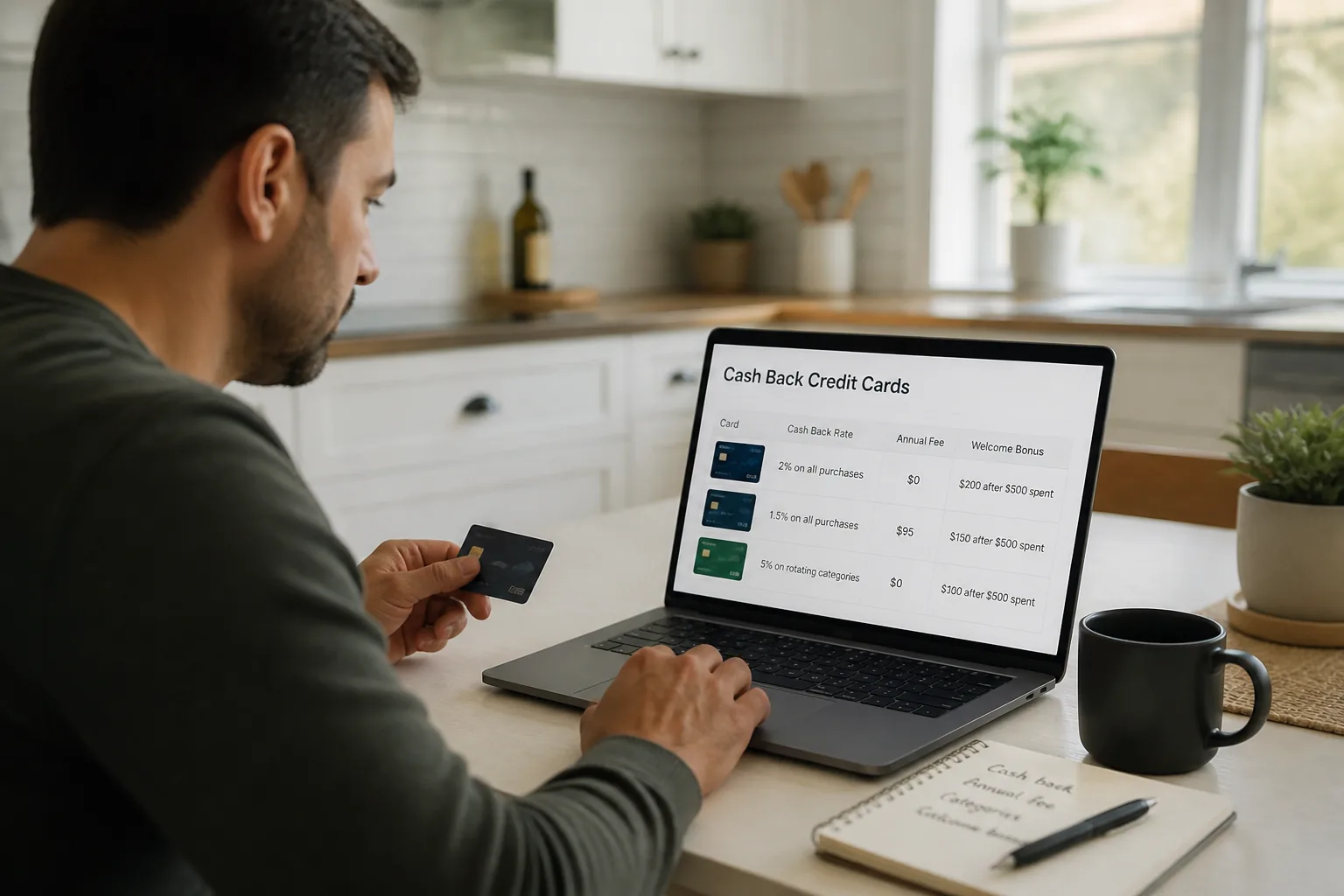
Quick recap:
- Flat-rate cards usually pay 1.5% to 2% back
- Category cards often pay 3% to 6% in select purchases
- Annual fees and spending caps decide whether the math works
The next part is where the real sorting starts.
02 7 strong picks for 2025, based on how people actually spend
Here’s the cleaner way to shop: match the card to the lifestyle. A flat-rate option like Citi Double Cash or Wells Fargo Active Cash works well for people who want simple 2% rewards and no mental math. Cards like Blue Cash Preferred from American Express can pay more at U.S. supermarkets, though the annual fee changes the equation after year one.
If gas and commuting eat up $300 to $500 a month, cards from Bank of America, Discover, or rotating-category products can be worth a look. I’ve seen friends chase rotating 5% bonuses and then forget to activate them. Free money, missed. That stings.
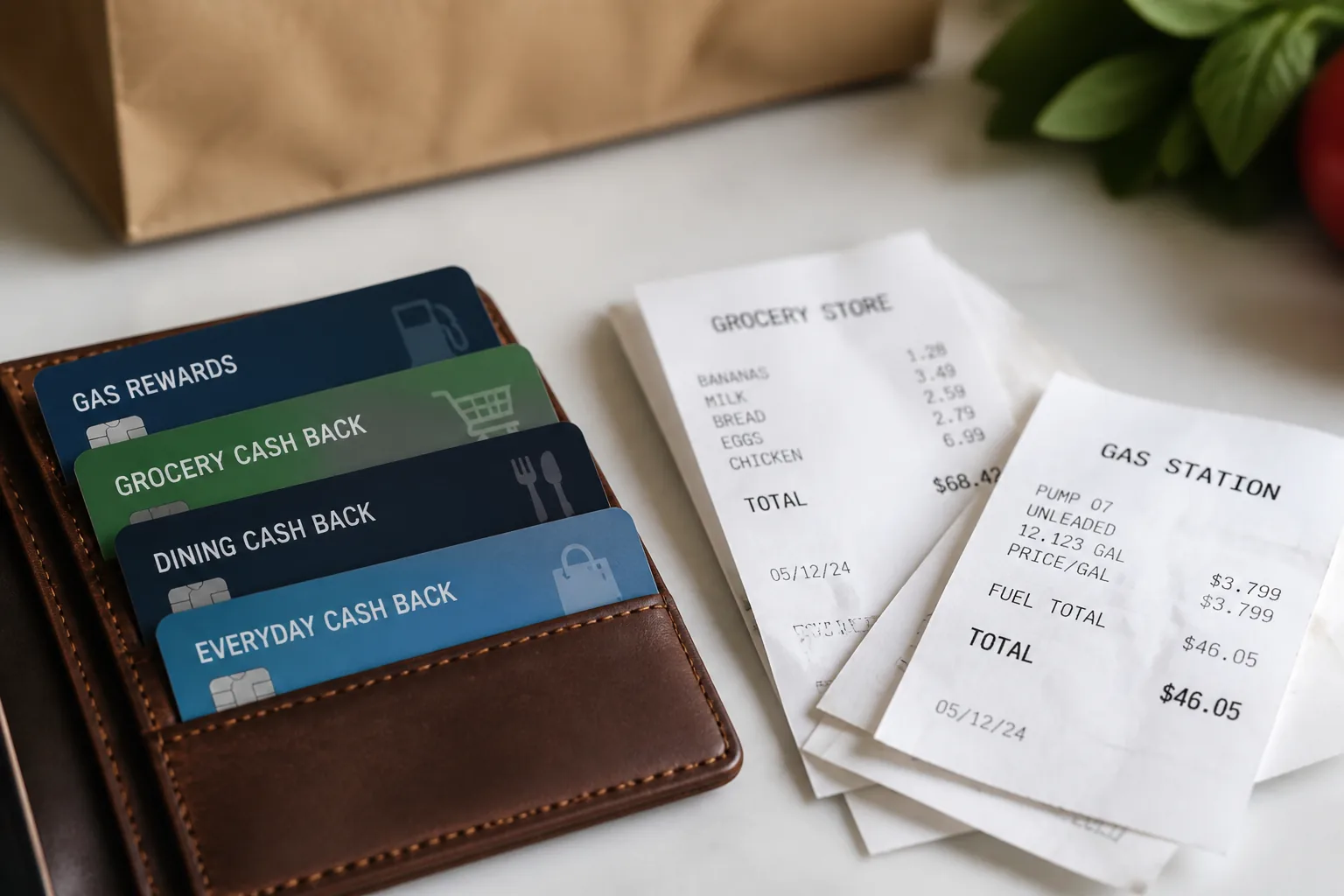
The shortlist matters, sure, but the fine print matters more.
03 What nobody tells you about rewards math
A card with a $95 annual fee needs to earn its keep. If a grocery card gives 6% back and a flat card gives 2%, that extra 4% means you’d need roughly $2,375 in qualifying grocery spend just to cover a $95 fee. That’s real math, not marketing.
Redemption rules can trip people up too. Some issuers let you cash out as a statement credit, bank deposit, or PayPal transfer. Others quietly push gift cards or travel portals with uneven value. Cash back should feel like cash, not a scavenger hunt.
The best reward rate on paper means very little if the cap is low or the redemption is annoying.
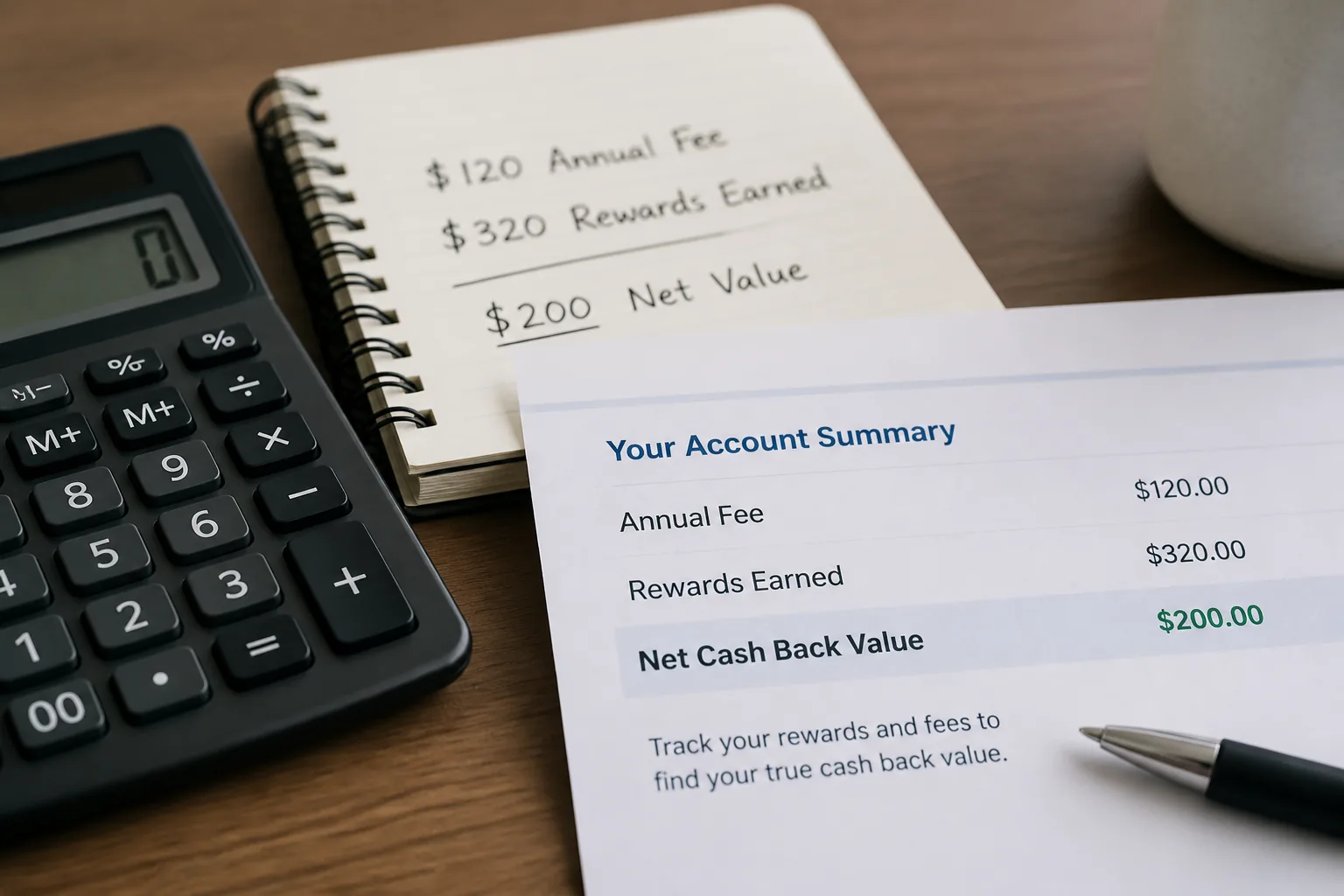
Next up: a side-by-side view that makes the trade-offs obvious.
04 A fast comparison before you decide
Some cards win on simplicity. Others win on category strength. A few try to do both and land somewhere in the middle. That’s why a side-by-side check works better than reading issuer ads one by one.
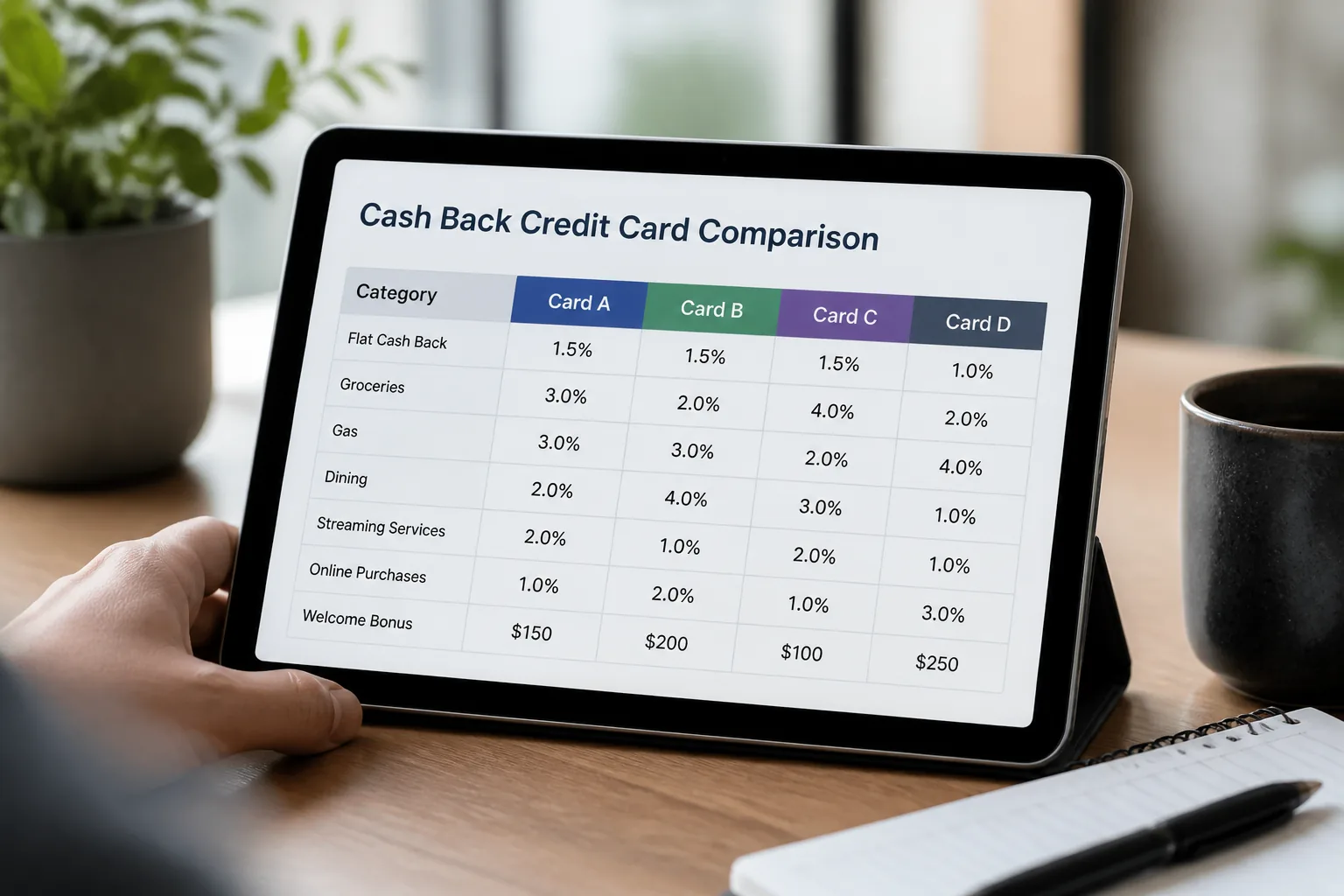
See our guide on building a smarter monthly budget
If you’re the kind of person who wants one card and done, flat-rate is hard to beat. If your household spends $800 a month at supermarkets and $250 on streaming and transit, category cards can pull ahead fast.
Related:
Read more about balance transfer cards before carrying debt
That brings us to the move that matters most today, not someday.
05 Do these 3 things before you apply
Start with your real spending, not the welcome bonus. Pull the last 90 days, add up your top 3 categories, and circle any card fee above $95. That one step clears out half the market.
Then read the terms for APR, foreign transaction fees, redemption minimums, and spending caps. Honestly, this is where good deals go bad. A strong card should still look good after the intro offer fades.
- Check your top spending category from the last 3 months
- Compare that against 2 flat-rate cards and 2 category cards
- Estimate first-year rewards after fees before you apply
Pick the card that works in month 13, not just month 1.

The short version? Best doesn’t mean universal. It means matched. Get that right, and your cash back becomes a steady habit instead of a disappointing gimmick.