If your savings account is still paying pennies, you may be leaving easy interest on the table. A quick comparison can change that fast.
| Account | APY Range | Monthly Fee | Best Use |
|---|---|---|---|
| Marcus by Goldman Sachs | 4.00%-4.40% | $0 | Simple goal-based saving |
| Ally Bank | 4.00%-4.30% | $0 | Emergency fund and app features |
| Discover Online Savings | 4.00%-4.30% | $0 | Brand familiarity |
| Capital One 360 Performance | 4.00%-4.35% | $0 | Hybrid online/offline access |
| American Express HYSA | 4.00%-4.30% | $0 | Straightforward no-frills saving |
| SoFi Savings | Up to 4%+ | $0 | Bundled banking users |
| Barclays Online Savings | 4.00%-4.35% | $0 | Rate-focused savers |
01 A bigger rate can mean real money
Ever leave cash in a big-name bank earning 0.01% and then spot an online account paying 4.25% APY? That gap looks tiny on a screen, but on a $10,000 balance, the difference can run from about $1 a year to more than $400 before taxes. That gets your attention fast.
If you’re doing a high yield savings account comparison, focus on four things: APY, fees, access, and minimum rules. A flashy rate can lose its shine if transfers take 2-3 business days or if the bank requires a steep opening deposit. I ran through the fine print the same way I would for my own emergency fund, and the pattern was pretty clear. Online banks usually lead on yield, while traditional banks often win on branch access.
Read more about investment basics for cash you won’t need soon
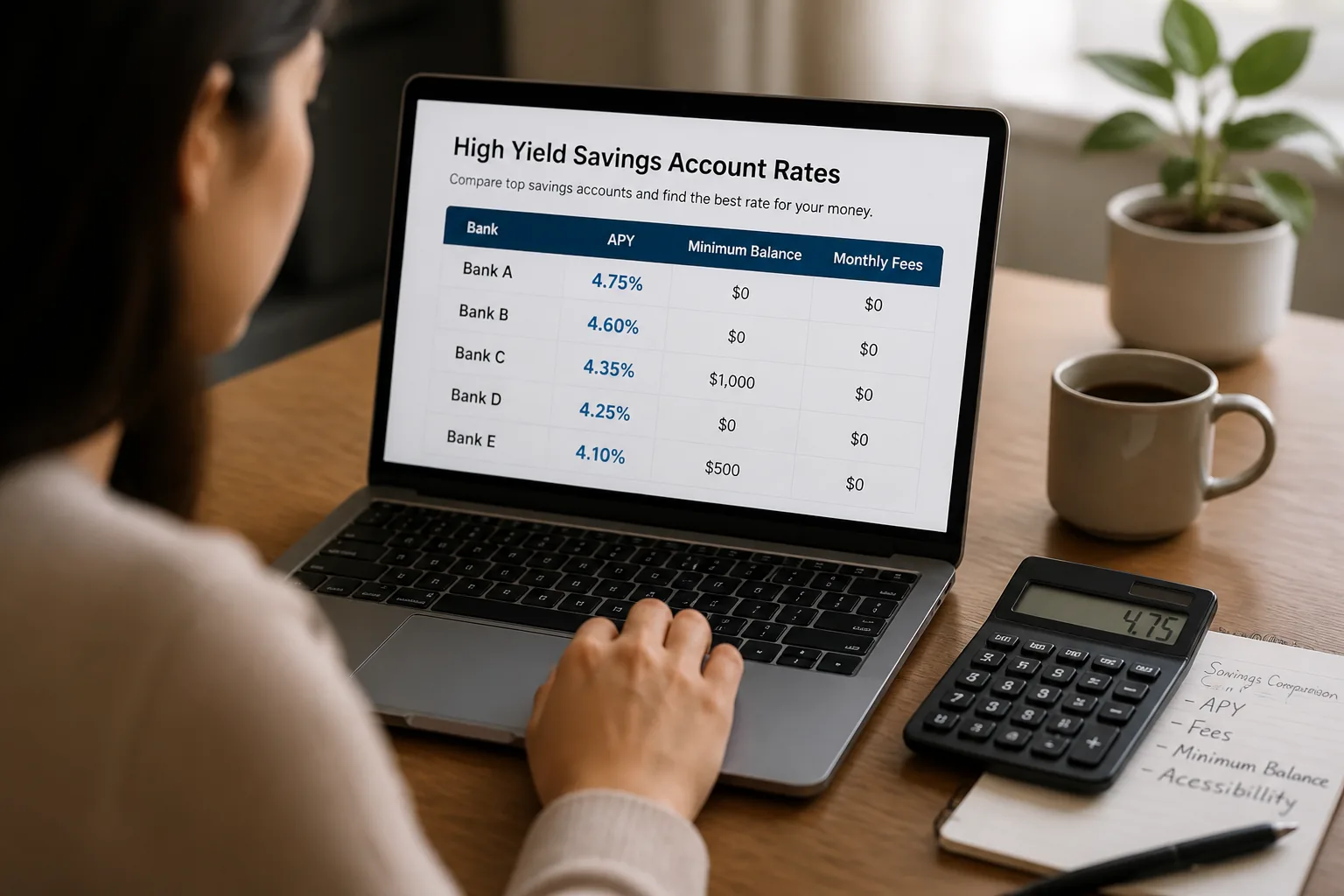
A high APY matters, but easy access in a real-life pinch matters just as much.
The short version? The best account for a 6-month emergency fund may be the wrong one for a down payment you need in 90 days. That’s where the comparison gets interesting.
02 7 top picks, and why they’re not all built for the same job
Quick comparison:
| Account Type | APY Range* | Monthly Fee | Best For |
|---|---|---|---|
| Marcus by Goldman Sachs | 4.00%-4.40% | $0 | Simple savings |
| Ally Bank | 4.00%-4.30% | $0 | Strong app tools |
| Discover Online Savings | 4.00%-4.30% | $0 | Familiar brand |
| Capital One 360 Performance | 4.00%-4.35% | $0 | Hybrid access |
| American Express HYSA | 4.00%-4.30% | $0 | Straightforward setup |
| SoFi Savings | up to 4%+ | $0 | Bundled banking |
| Barclays Online Savings | 4.00%-4.35% | $0 | No-frills savers |
*Rates change often, sometimes weekly.
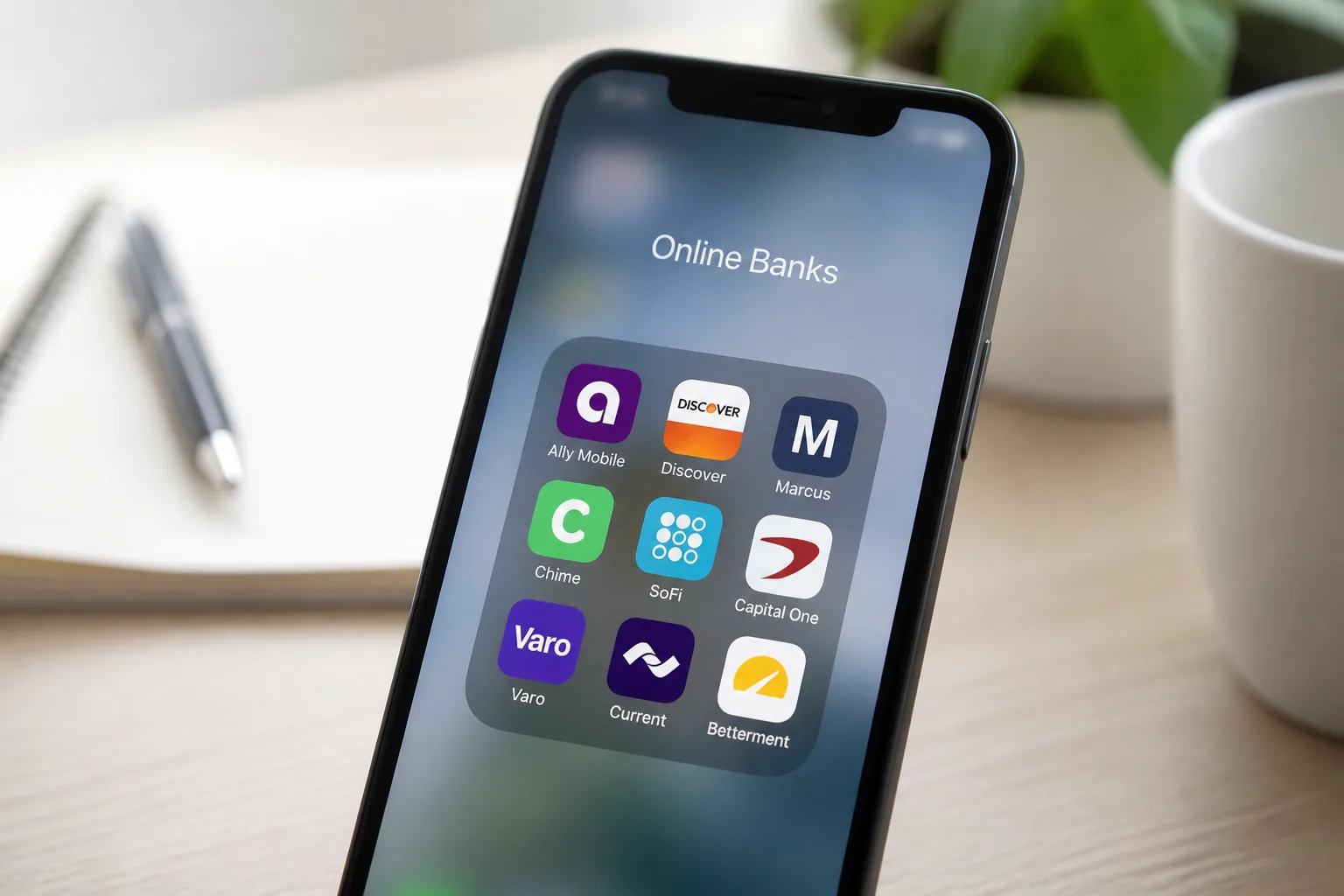
A friend of mine kept her emergency fund at Chase for years because the app felt familiar. Then she moved $15,000 to an online account near 4.25% APY. Her first reaction after 12 months? Why didn’t I do this sooner? That extra interest covered a car insurance bill.
But here’s the catch. Not every strong-rate account fits every routine. Some shine for same-day transfers inside one bank ecosystem. Others are better if you never touch the money.
03 What nobody tells you about the fine print
The headline APY grabs people. The rules decide whether the account is actually good. Look at minimum opening deposits, excess withdrawal policies, linked checking requirements, and how long ACH transfers usually take. Two business days feels fine until your water heater dies on a Friday night.
I’ve seen readers chase an extra 0.10% APY and ignore access. Honestly, that can be backwards. If you’re saving for emergencies, speed beats squeezing out an extra $10 or $20 a year on a modest balance. For a $2,500 vacation fund, maybe you don’t care. For a $12,000 emergency reserve, you probably do.
Check these before opening anything:
- Current APY and whether it has conditions
- Monthly fee and minimum balance rules
- Transfer timing to your main checking account
- FDIC or NCUA coverage limits
- Mobile app ratings and customer service hours
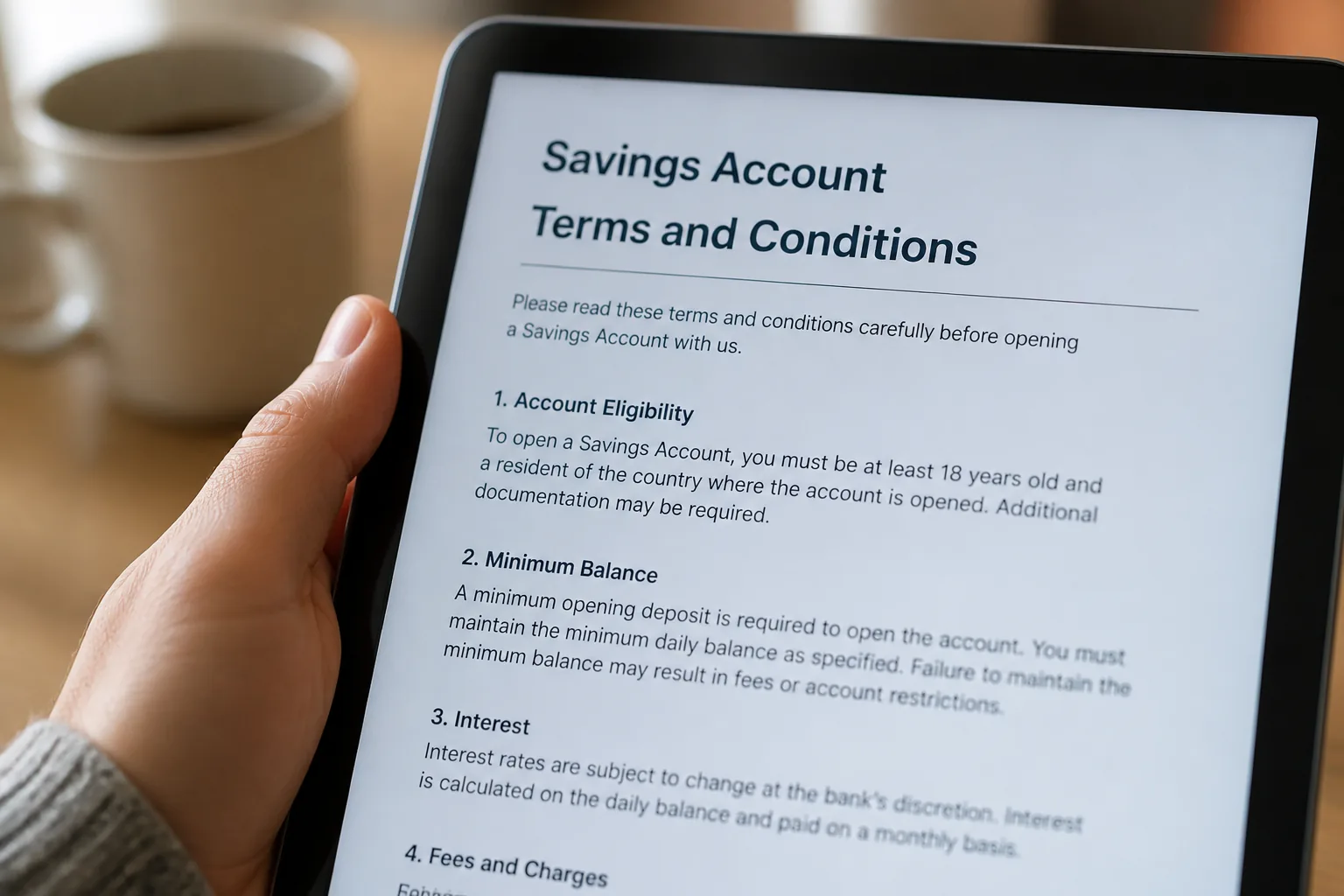
The real risk isn’t a lower rate. It’s needing your money and waiting three days.
04 Emergency fund or short-term goal? Pick differently
Say you’re building a $8,000 emergency fund. A no-fee account with a dependable app and clean transfer setup usually beats the absolute highest APY on the market. You want calm, not drama. Capital One 360 and Ally often come up here because they balance yield with usability.
Now picture a 9-month house down payment fund. In that case, a top APY with fewer bells and whistles can make sense, because you’re less likely to need instant access. Marcus, Barclays, or Discover often appeal to that crowd. Different job, different winner.
Related: credit card comparison for keeping emergency cash untouched
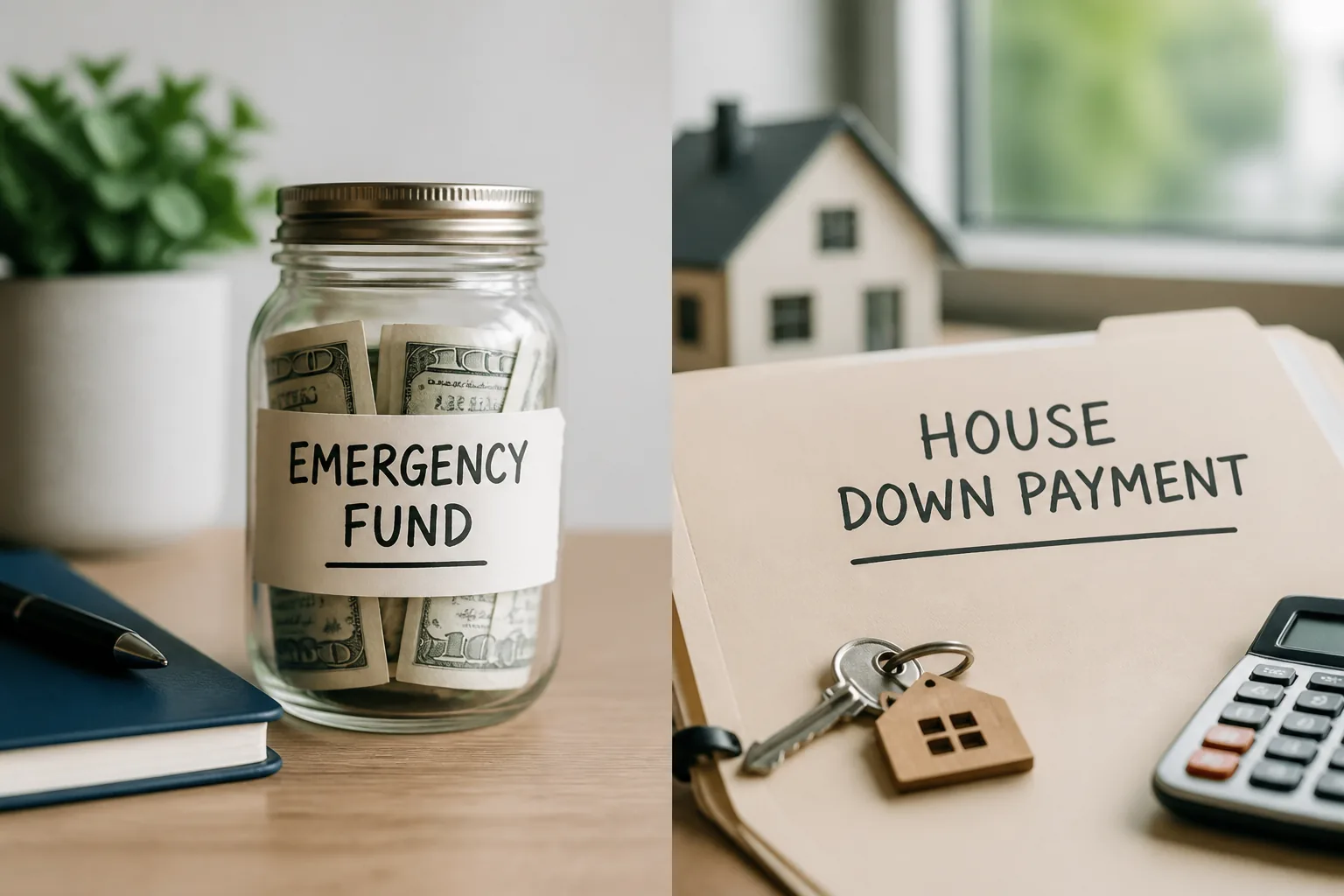
Quick recap:
- Emergency savings: prioritize access and reliability
- Short-term goals: prioritize yield after checking the rules
- Everyday cash: keep it separate from long-term savings
That leaves one last question: what should you do today, before rates move again?
05 Three moves to make before you open anything
Start with your number. Write down the exact balance you plan to move today — $1,000, $5,000, or $20,000. Then compare the top 3 accounts by net return after fees and hassle, not APY alone. That one step cuts through a lot of marketing noise.
Next, test the access question. Call customer service, check app reviews from the last 90 days, and read the transfer policy. Sounds boring, I know. Still, this is the stuff that matters at 8:40 p.m. when rent is due Monday.
Last one. Pair your savings account with a purpose. Emergency fund, taxes, travel, home repair — one goal per account if the bank allows buckets or subaccounts. People save better when the money has a job. That’s not theory. It’s behavior.
See our guide on budgeting tips that make saving automatic
Bottom line: a great high-yield savings account doesn’t just pay more. It fits your life, your timing, and your stress level. Pick the one you’ll actually keep funded. That’s the account that wins.