Just graduated and trying to park your first real savings somewhere smart? Before you lock in a choice, the gap between yield, access, and risk is worth a closer look.
| Option | Best use | Access | Risk/coverage | Watch out for |
|---|---|---|---|---|
| Online HYSA | Emergency fund | 1-3 business days | FDIC/NCUA, usually up to $250,000 | APY can change |
| Big-bank savings | Convenience | Fast in-bank transfers | FDIC/NCUA, usually up to $250,000 | Often very low yield |
| 적금 | Planned savings goal | Limited before maturity | Bank product, terms vary | Early withdrawal may reduce returns |
| Dividend ETF/stocks | Long-term investing | Market-hours liquidity | Market risk, no principal guarantee | Price can fall when you need cash |
01 A graduation gift to yourself: cash you can actually reach
Ever notice how a $1,200 car repair always shows up the month after graduation? That’s why this decision matters more in May than it does in November.
If you’re building your first real emergency fund, a high-yield savings account usually wins the first round. You keep daily access, FDIC or NCUA coverage usually goes up to $250,000 per depositor, and top online accounts have often paid far more than old-school bank savings. A lot of new grads learn this late, after parking cash in an account earning 0.01% and calling it “safe.” Safe, yes. Useful? Not really.
I’ve watched two versions of this play out: one friend kept $3,000 in a big-bank savings account and earned pocket change, while another moved the same amount to an online HYSA and at least got a meaningful yield while job-hunting. That difference adds up over 12 months.
read our guide to building a 3-month emergency fund
The short version: emergency money needs fast access first, return second. Everything else comes after that.

The best return means very little if you can’t get the cash on Tuesday night.
Next, let’s sort the good HYSAs from the flashy ones.
02 The 5 things worth checking before you chase the top APY
A headline APY can look great on Memorial Day weekend, then change a month later. That’s normal. Rates move with the Fed, bank funding needs, and competition.
Here’s the checklist I’d use in May 2026:
- APY, of course, but not APY alone
- FDIC or NCUA insurance
- Minimum balance requirements
- Transfer speed to your checking account
- Monthly fees, if any
A smart comparison for new grads usually includes online banks and cash management accounts with no monthly fee and no minimum deposit. If you need rent money fast, transfer speed matters more than an extra 0.15% APY. That part gets ignored all the time, honestly.
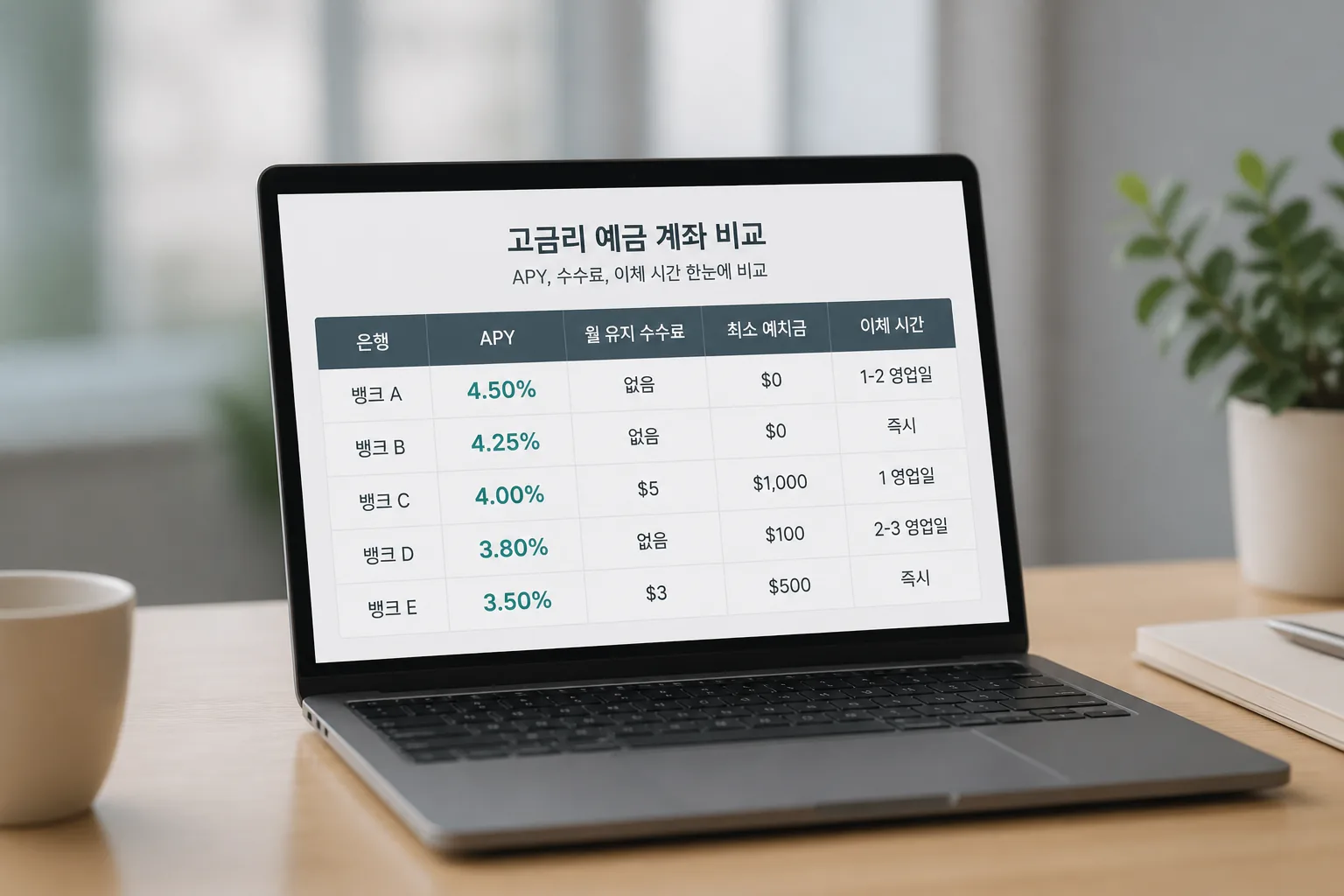
| Account type | Yield focus | Access speed | Best for |
|---|---|---|---|
| Online HYSA | High | 1-3 business days | Emergency fund |
| Big-bank savings | Low | Fast if same bank | Convenience only |
| Cash management | Medium-high | Often fast | Hybrid banking/investing |
The next question is where 적금 and dividend options fit, because they do have a place.
03 HYSA vs 적금 vs dividends: same goal, very different job
Here’s where a lot of new grads mix up saving and investing. They sound similar at 22. They behave very differently at 2 a.m. when your debit card gets hit or your laptop dies.
적금 works best for planned saving, not true emergencies. If you know you want $5,000 by next spring for a move, a fixed monthly contribution can be great. The discipline is the feature. The downside is access. Break the term early and returns may drop.
Dividend stocks or ETFs are another story. They can produce income, sure, but the share price can fall 10% in a bad month. Ask anyone who needed cash during a rough market week. A 4% dividend yield doesn’t feel comforting if the account balance is down 12%.
Emergency funds are about stability, not bragging rights.
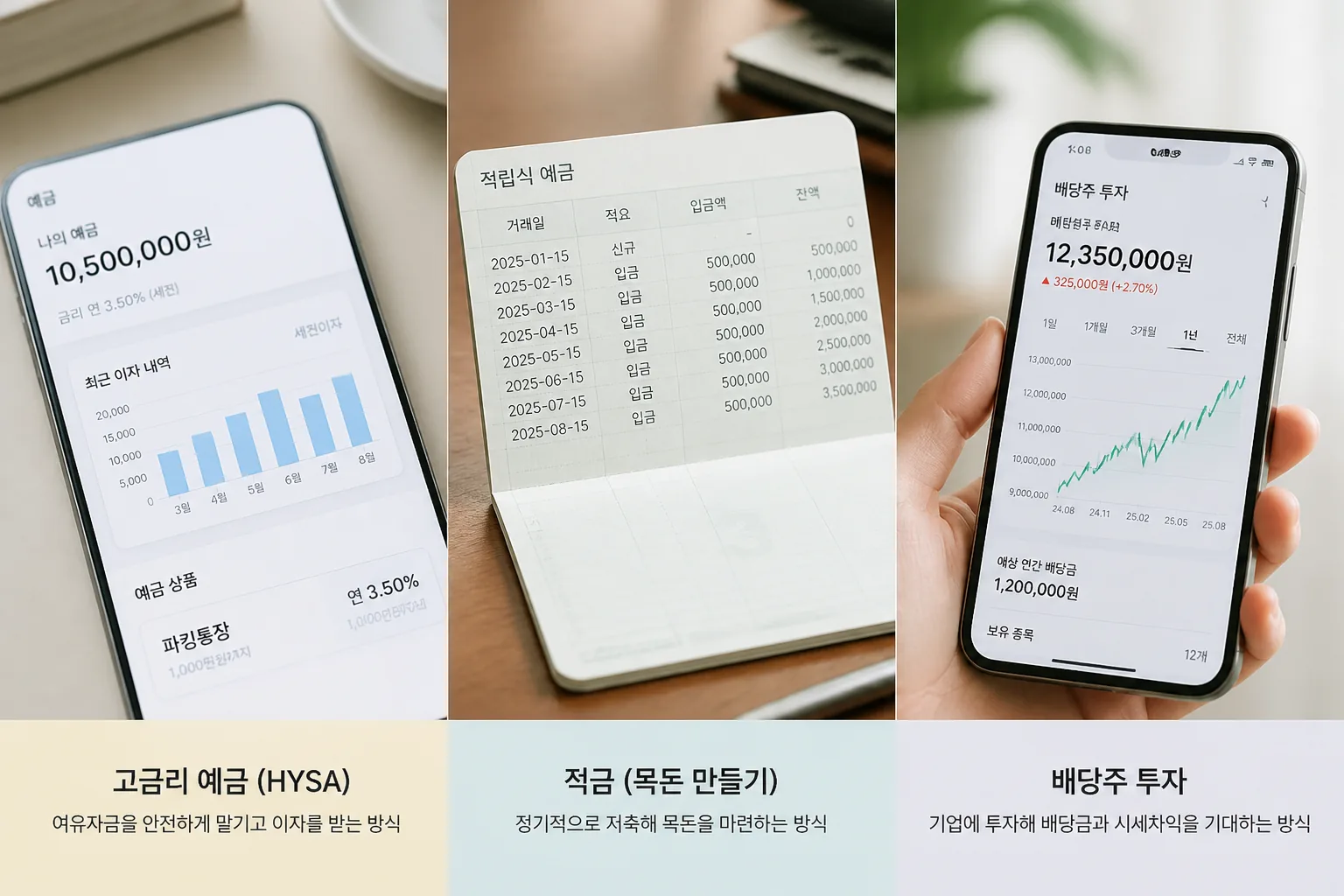
Quick recap:
- HYSA: best for cash you may need this month
- 적금: best for a fixed goal with a fixed timeline
- Dividends: best for long-term money you can leave alone
That leaves one practical question: what should a new grad do this week?
04 A simple Memorial Day plan for new grads
If you’re starting from zero, don’t overcomplicate this. Open one solid HYSA, set an automatic transfer, and name the account “Emergency Fund.” That tiny label helps more than people expect.
- Move your first $500 to $1,000 into a HYSA this week.
- Automate a transfer every payday, even if it’s just $50.
- Once you hit 1-3 months of expenses, decide whether extra cash belongs in 적금 or a dividend fund.
When I’ve seen people stick with this, the common factor wasn’t a genius APY pick. It was friction-free setup by day 1. That’s the part that quietly wins.
see our beginner guide to first-time investing
related: best checking accounts for first jobs
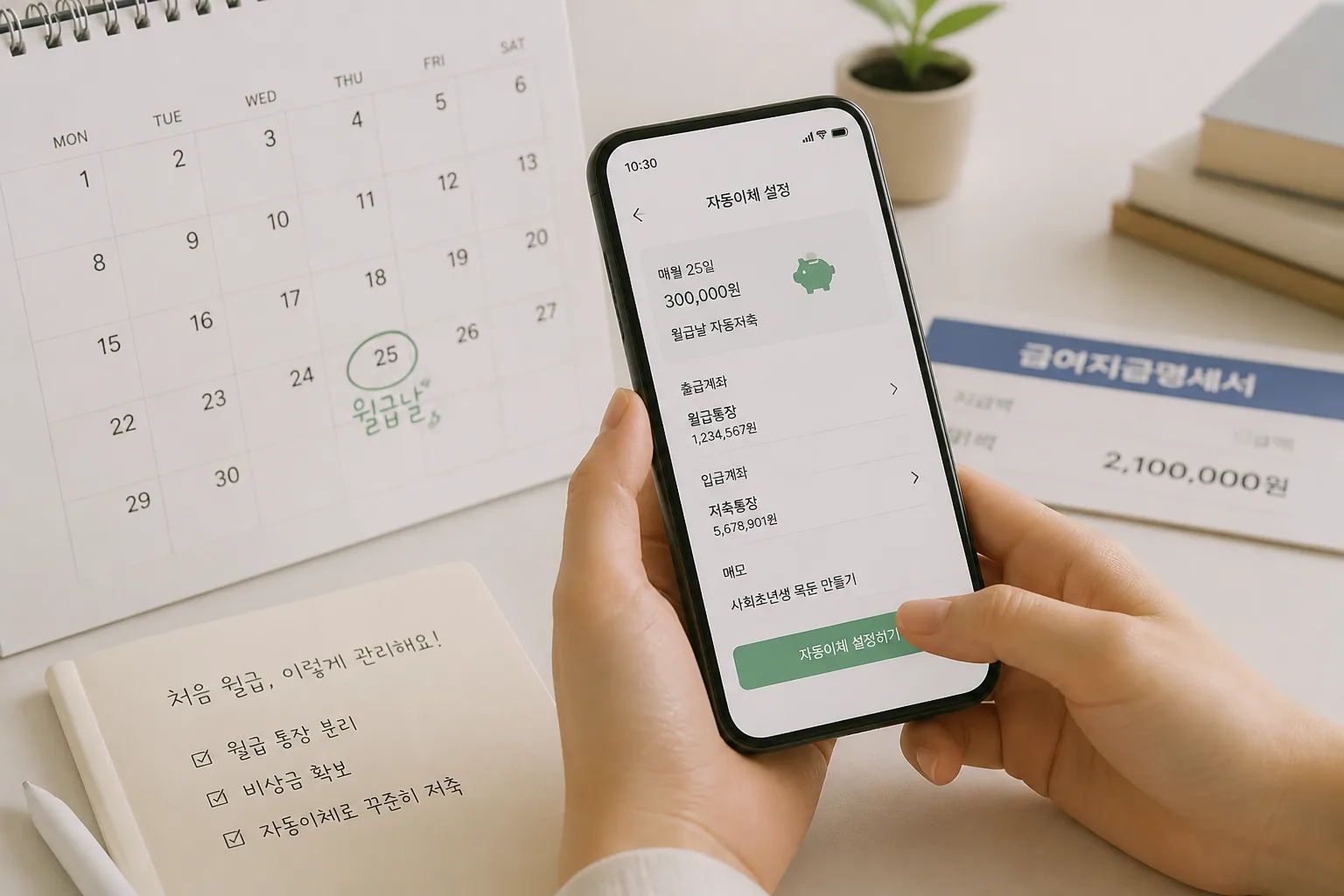
3 quick takeaways:
- Keep emergency cash liquid.
- Use fixed-term products for planned goals.
- Treat dividends as investing, not savings.
If you remember one thing from this whole comparison, remember that.